Casting Lines, Catching Data

Sally Dowd blends scientific data with angler observations to protect ocean predators, the ecosystems they support, and the communities that depend on them.
Sally Dowd blends scientific data with angler observations to protect ocean predators, the ecosystems they support, and the communities that depend on them.
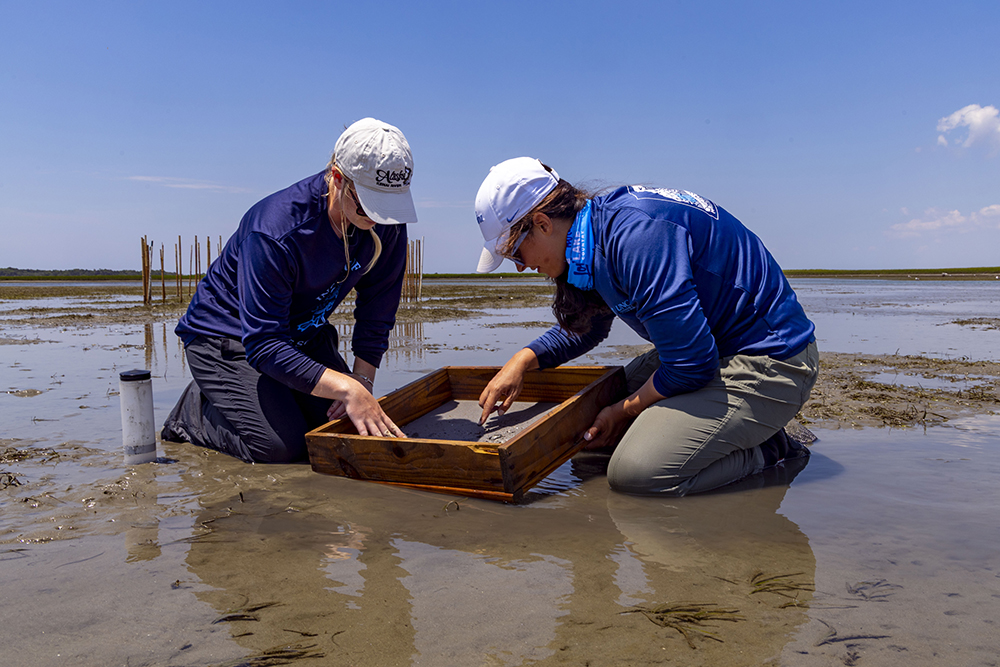
Heather Bruck and Nadya Gutierrez study how shrinking seagrass meadows could threaten the future of vital underwater ecosystems.

Colin Eimers is investigating why so many N.C. oysters die off each year — and how to stop it before farmers lose entire harvests.
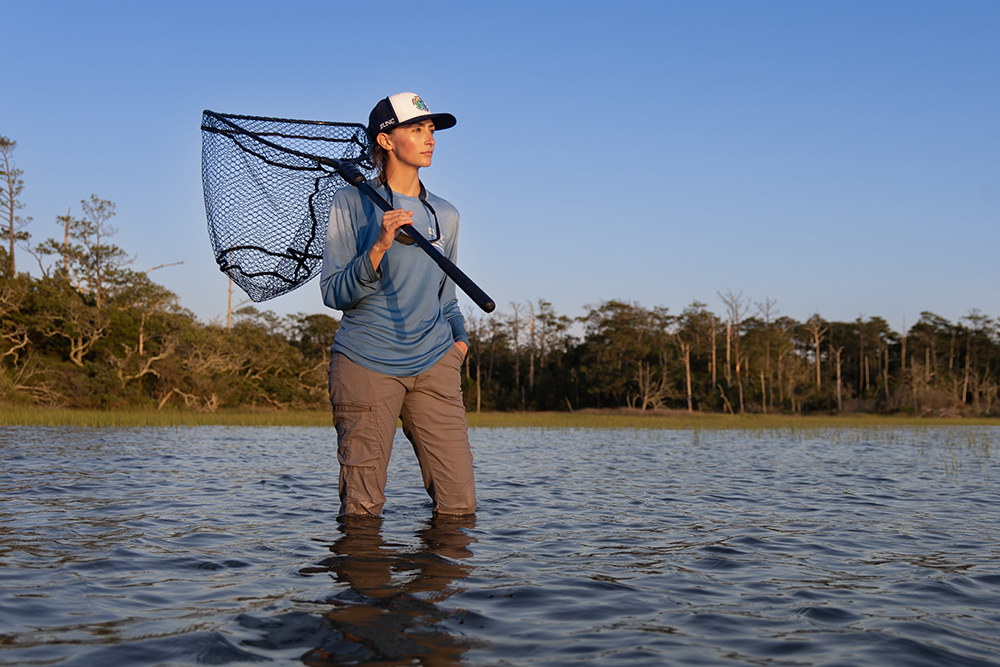
Alexis Longmire is exploring how manmade coastal barriers affect predator movement, seagrass, and the future of waterfront communities.
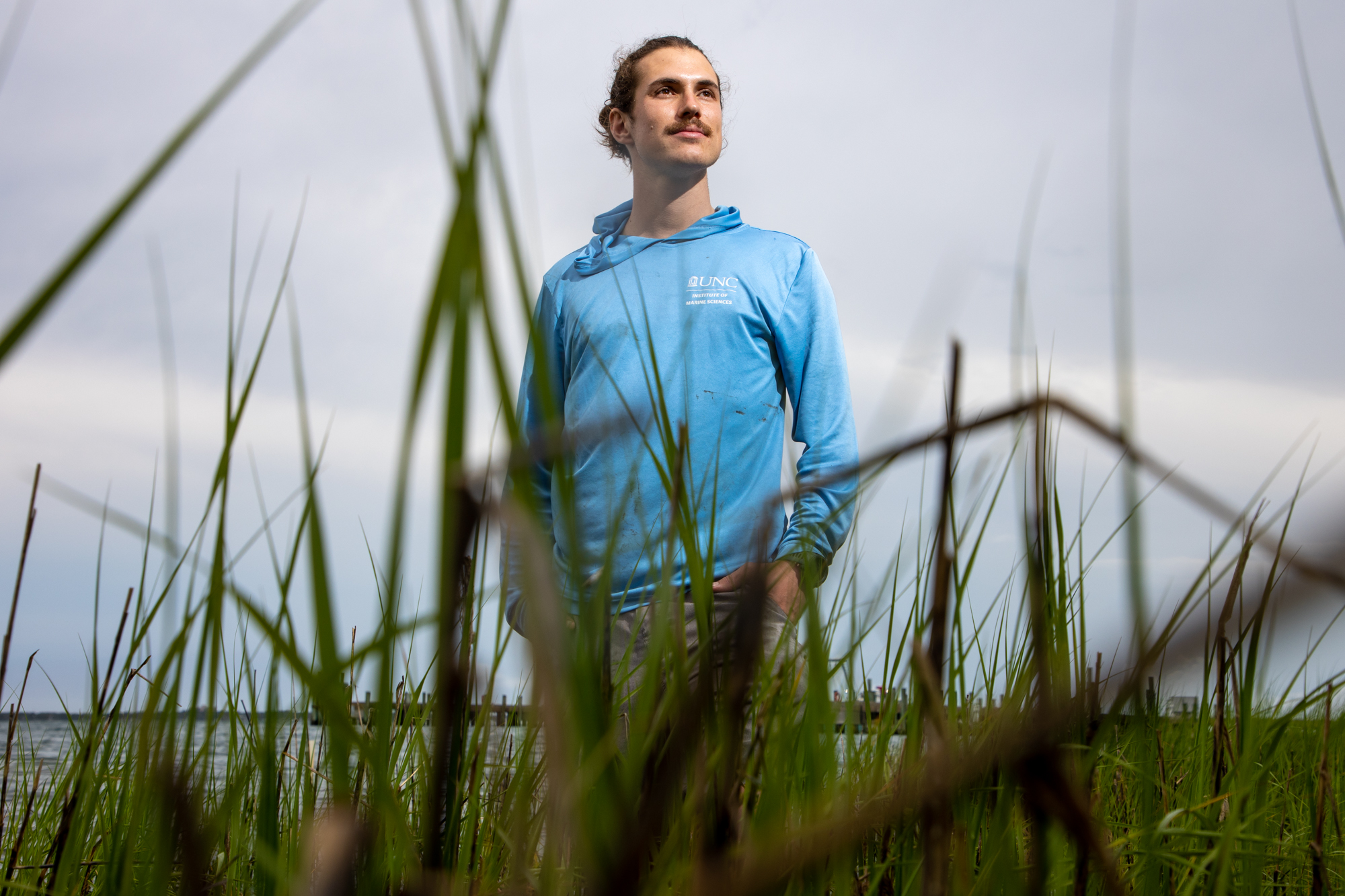
Josh Himmelstein is getting knee-deep in marshes to understand the effects of sea-level rise.
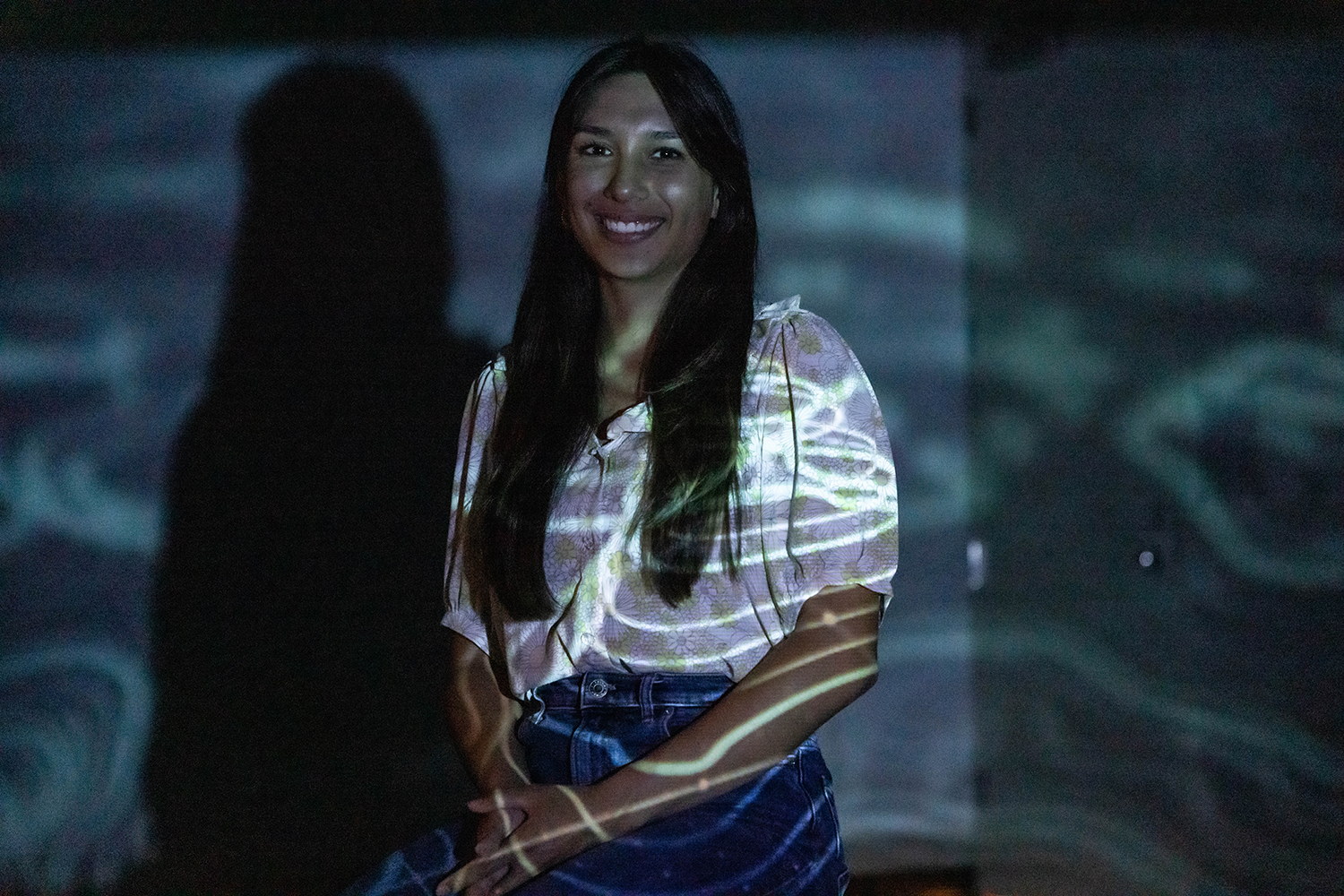
Anne Smiley maps coastal habitats and nitrogen levels to assess water quality and coastal ecosystem health, protecting communities hit by major storms.
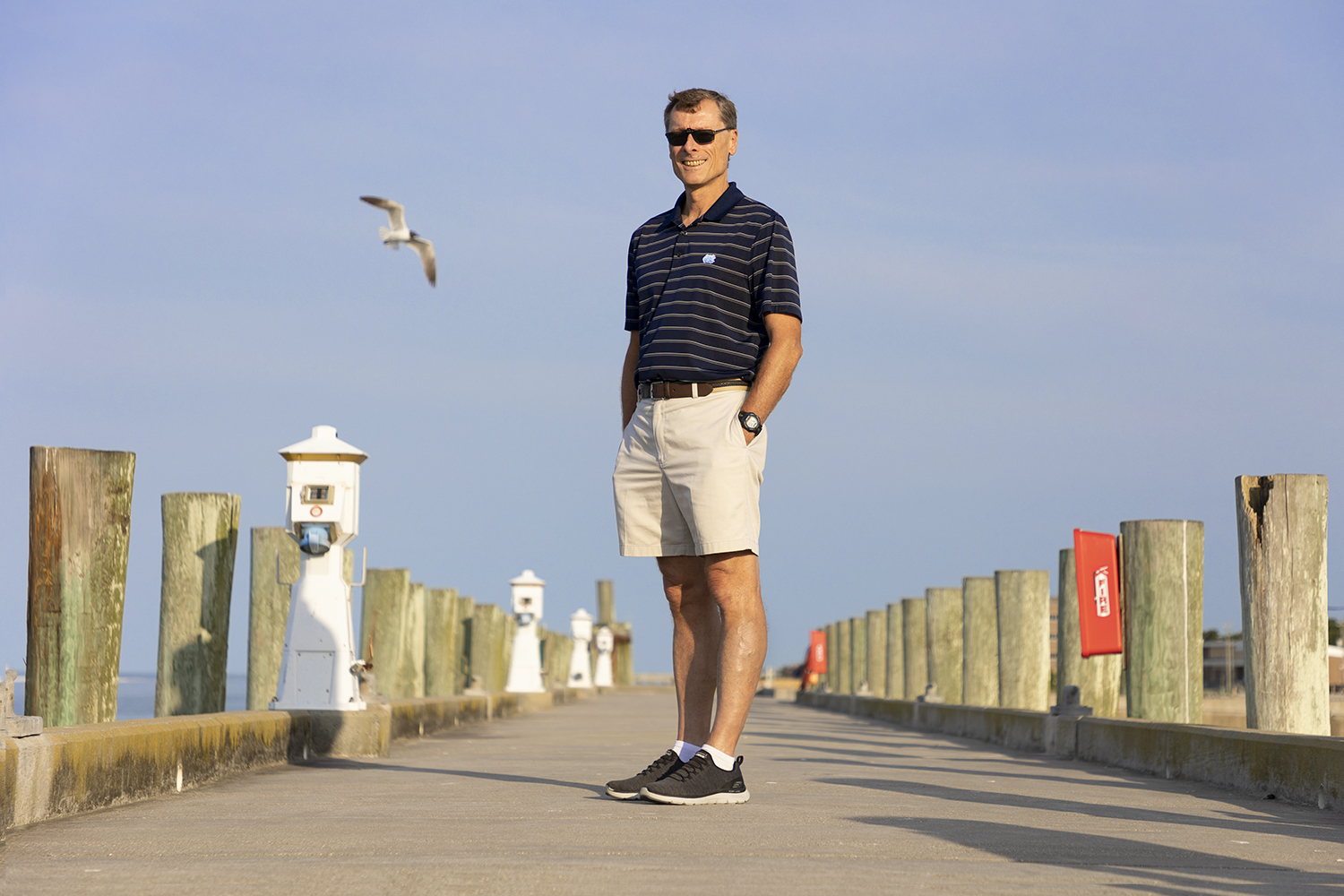
Since 1987, Rick Luettich has been building systems to protect the coast from environmental hazards and extreme weather events.
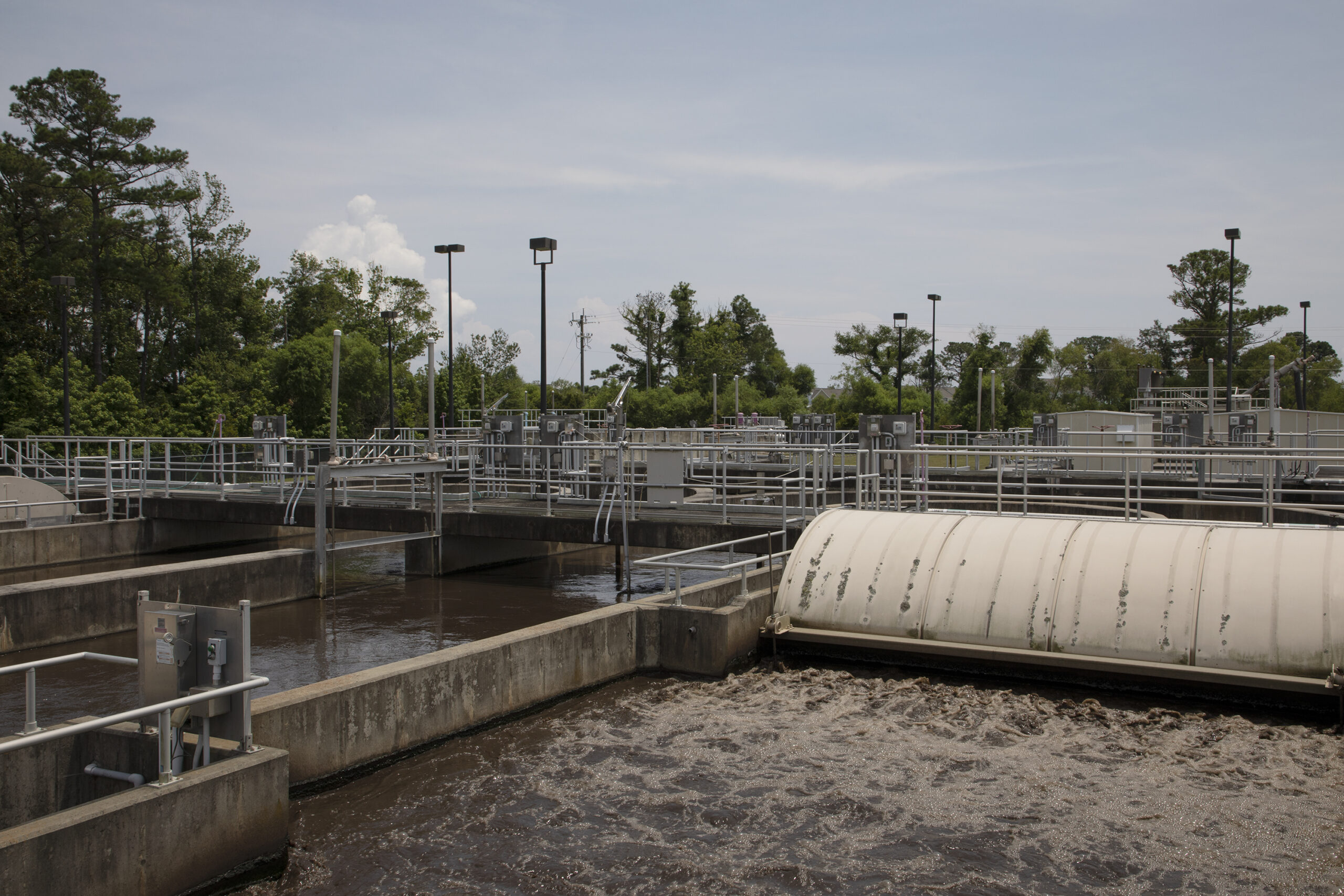
Employing wastewater epidemiology — proven useful in outbreaks of polio and opioid use — UNC microbiologist Rachel Noble is leading a state-wide collaboration tracking novel coronavirus outbreaks across North Carolina, gaining insight that testing individuals does not offer. Preliminary results have shown that by using wastewater, researchers can identify COVID-19 hot spots five to seven days before they are reflected by clinical testing results.
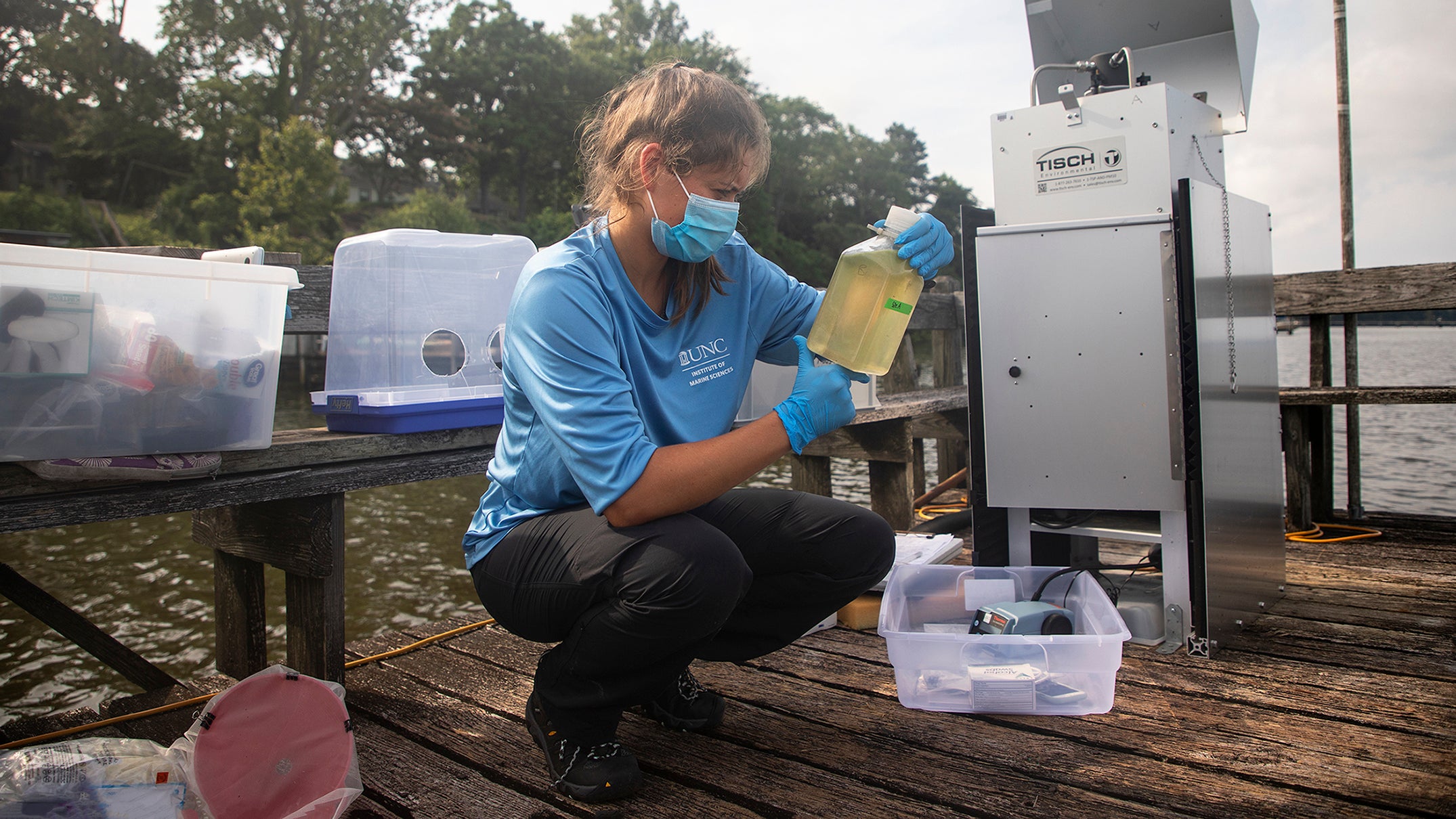
Toxic blue-green algae has long proven to be harmful to the environment, human and animal health. While many studies examine the effects of ingestion or skin contact, PhD student Haley Plaas looks at a different angle: aerosol.