skip to the end of the global utility bar
The University of North Carolina at Chapel Hill
  • Accessibility
  • Events
  • Libraries
  • Maps
  • Departments
  • ConnectCarolina
  • UNC Search
skip to main
Skip to content
Research at the University of North Carolina Chapel Hill
  • Logo: University of North Carolina Research
  • Conduct Research
    • The Research Project Lifecycle
          • Find Funding
          • Proposal Development
          • Data Management
          • Award Management
    • Compliance
          • Environment, Health & Safety 🡥
          • Human Research Ethics
          • Clinical Research Compliance
          • Privacy 🡥
          • Animal Care and Use
          • Conflict of Interest
          • Research Science and Security
          • Export Compliance
          • Report Ethics Concerns
    • Translation and Commercialization
  • Our Impact
  • Partner with Us
  • Research News
  • About
    • About UNC Research
    • About the Office of the Vice Chancellor for Research
    • Research Roadmap
    • Offices and Centers
          • Support and Compliance Offices

          • Division of Comparative Medicine
          • IACUC: Office of Animal Care and Use (OACU)
          • IRB: Office of Human Research Ethics
          • Office of Postdoctoral Affairs
          • Office of Research Communications
          • Office of Research Development
          • Office of Research Information Systems (ORIS)
          • Office of Sponsored Programs (OSP) 🡥
          • Research Compliance Services
          • Centers and Institutes

          • Health
          • Education
          • Business
          • Social/Humanities
          • Technology
          • Environment
          • International
          • Transportation & Infrastructure
          • Research at UNC Schools & the College
          • A-Z Research Units List
          • Core Facilities 🡥

UNCRS Category: Natural Sciences

The Smorgasbord Scientist
Brian Lerch

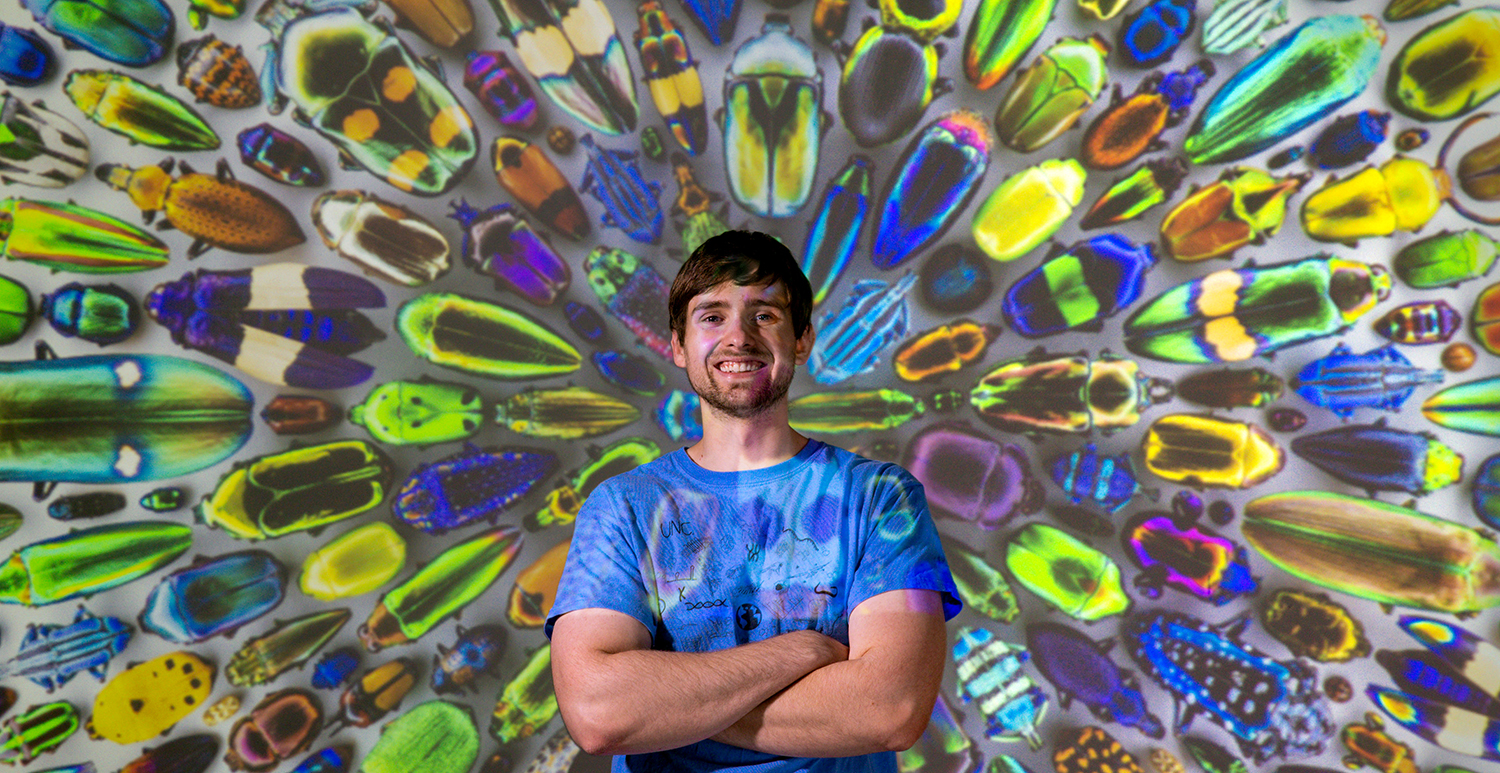
Why do some organisms live in groups? What influences their cooperation with one another? How do they choose their mates? PhD student Brian Lerch has a lot of questions about ecology and evolutionary biology — and he strives to answer them using math.
Anna Fraser

Anna Fraser

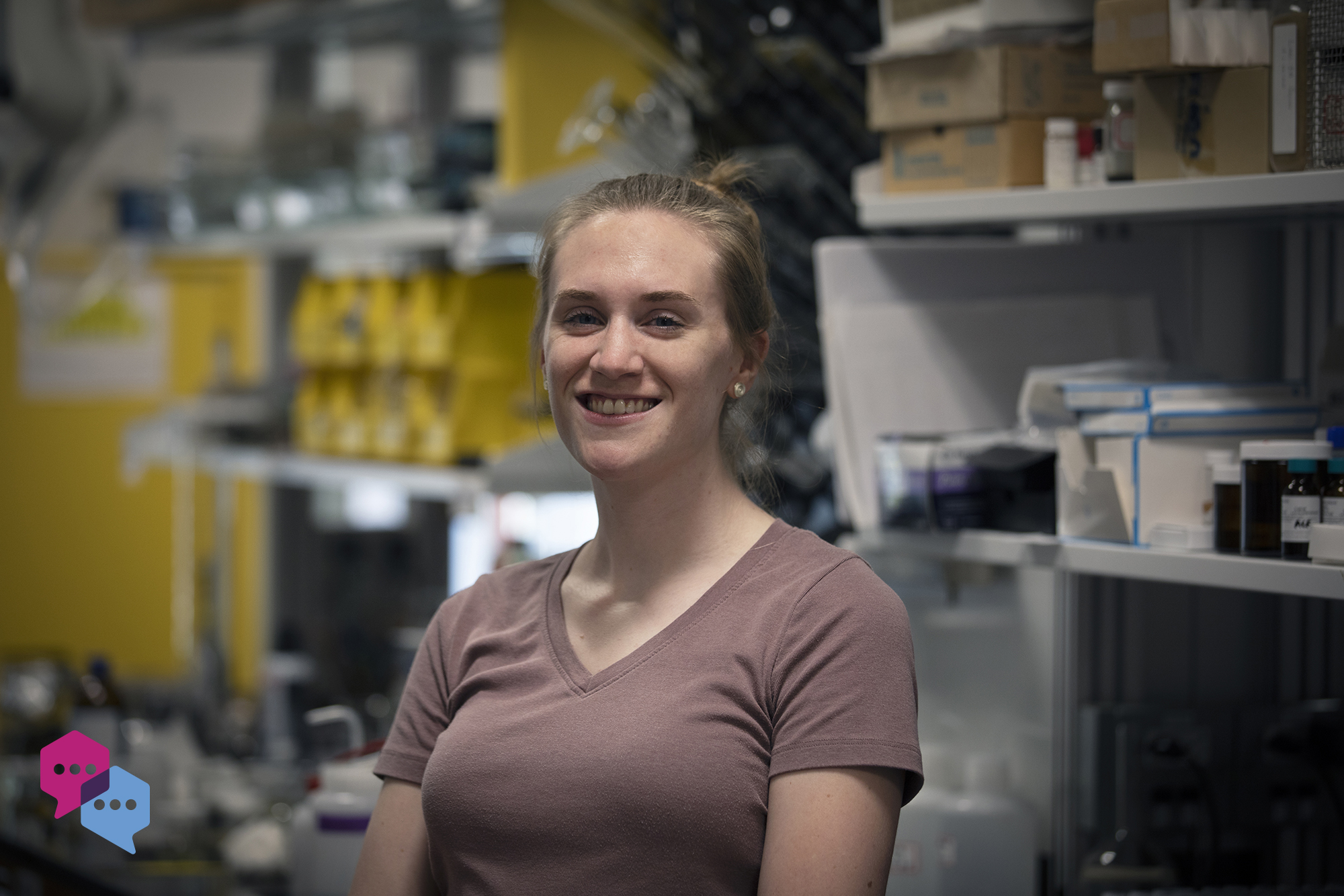
Anna Fraser is PhD student in the Department of Chemistry within the UNC College of Arts & Sciences. She designs, synthesizes, and characterizes polymers for water purification.

The Storm that Changed Her

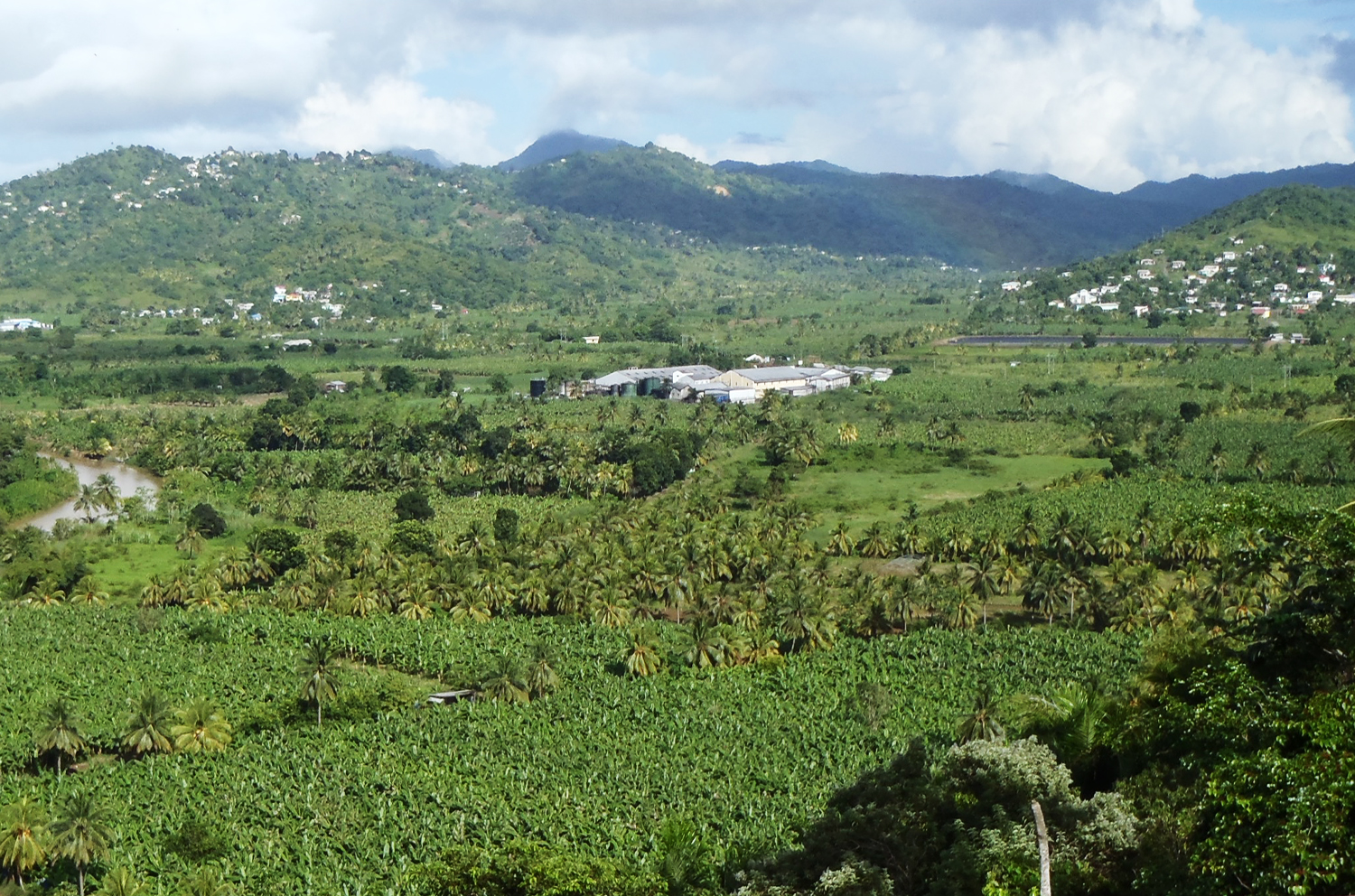
Roseau Valley in Saint Lucia

A hurricane in 2010 turned Caela O’Connell’s dissertation plans upside down. It continues to affect her and her research 11 years later as a UNC-Chapel Hill anthropology professor.

A Project of Her Own

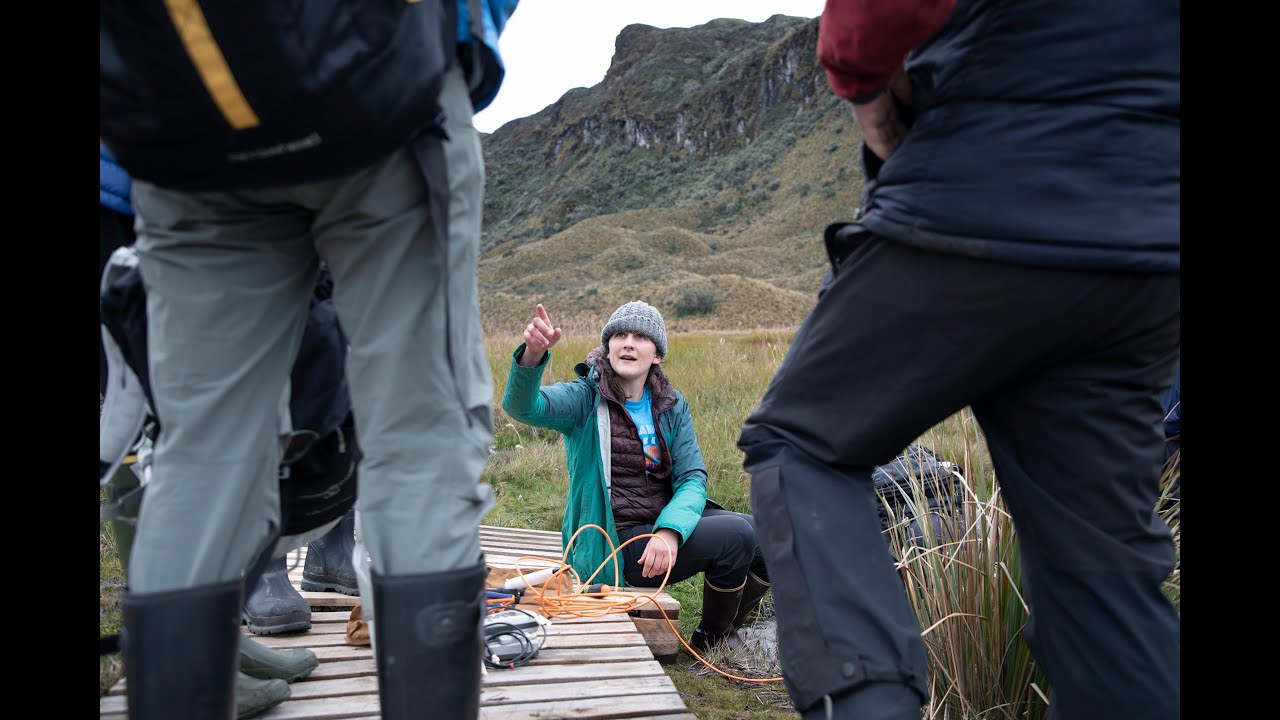
Most UNC-Chapel Hill PhD students oversee their own research projects for their dissertations. But Kriddie Whitmore did it in a foreign country — and with the added challenges of a language barrier, bad weather, and limited equipment. This past summer, Whitmore traveled to the Andes Mountains in Ecuador, tackling their demands with incredible tenacity and creativity.

Sifting Through Schoolyard Memories

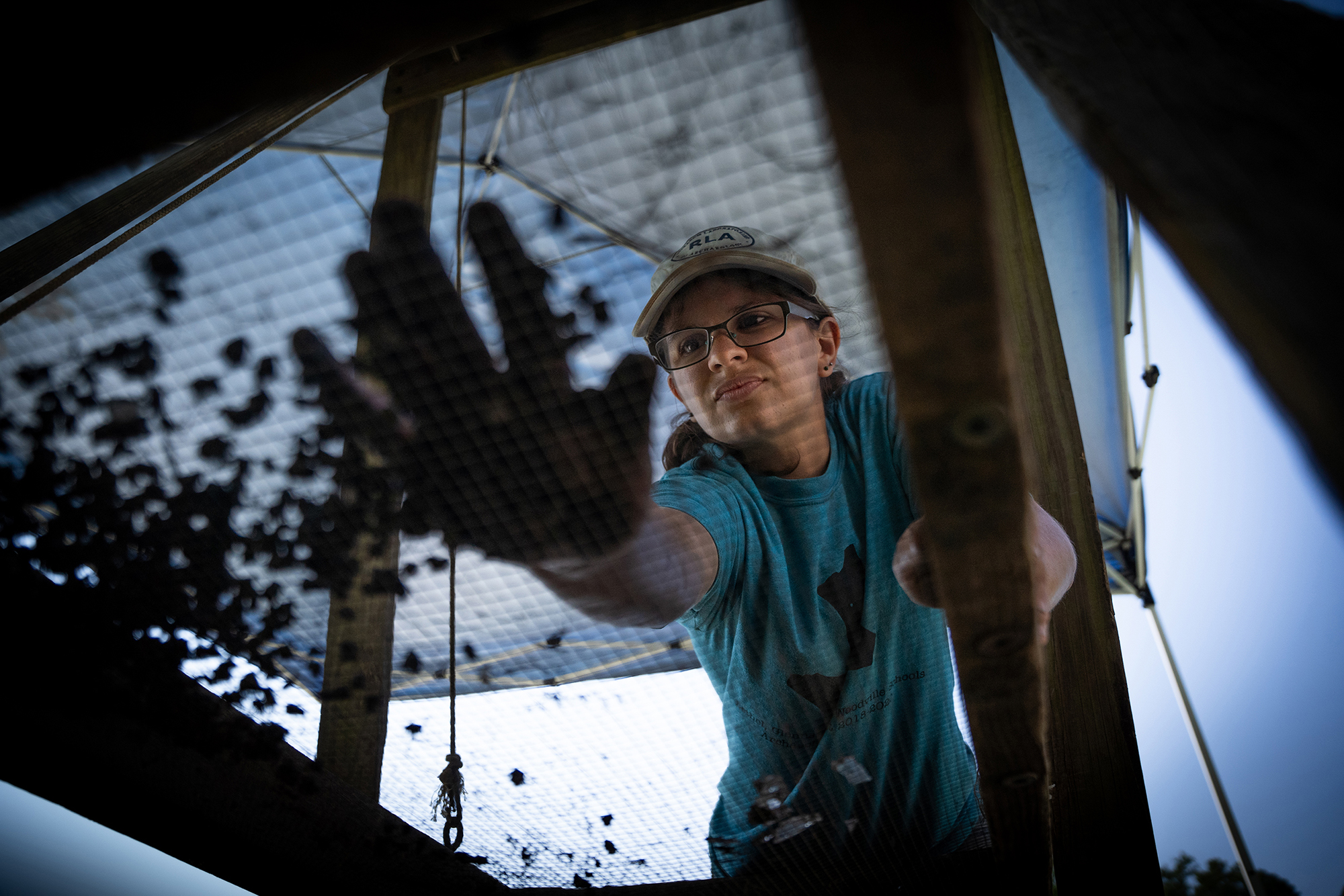
UNC PhD student Colleen Betti sifts through dirt at her field site in Gloucester, Virginia.

This summer, UNC-Chapel Hill PhD student Colleen Betti and 80 volunteers rushed to uncover a historic schoolyard that was about to be paved over and transformed into a parking lot. Their mission: to illuminate the overlooked, everyday lives of African American school children from the 19th century.

In Hot Water

Warming ocean waters are one of many climate change consequences, and scientists have observed fish migrating to stay within their preferred temperature range. Janet Nye, a UNC-Chapel Hill marine scientist, wants to understand how a warmer environment will affect these animals to help fisheries better prepare for the future.

Stephanie Smith

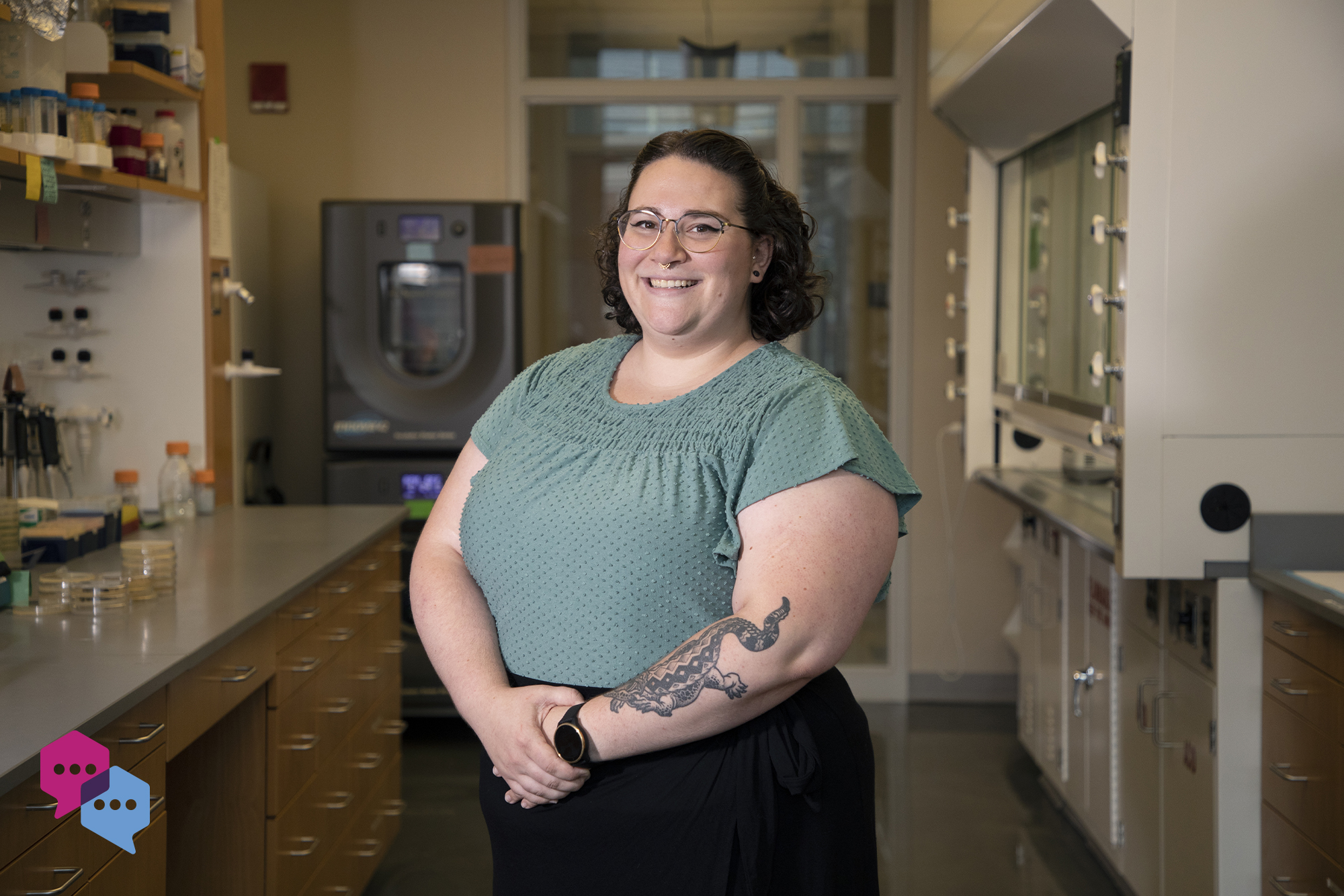
Stephanie Smith is a PhD student in the Department of Earth, Marine, and Environmental Sciences within the UNC College of Arts & Sciences. By observing squid, she researches how bacteria acquire and exchange DNA from other bacterial cells — a process called horizontal gene transfer — to improve our understanding of bacterial evolution.

Perseverance in the Páramo

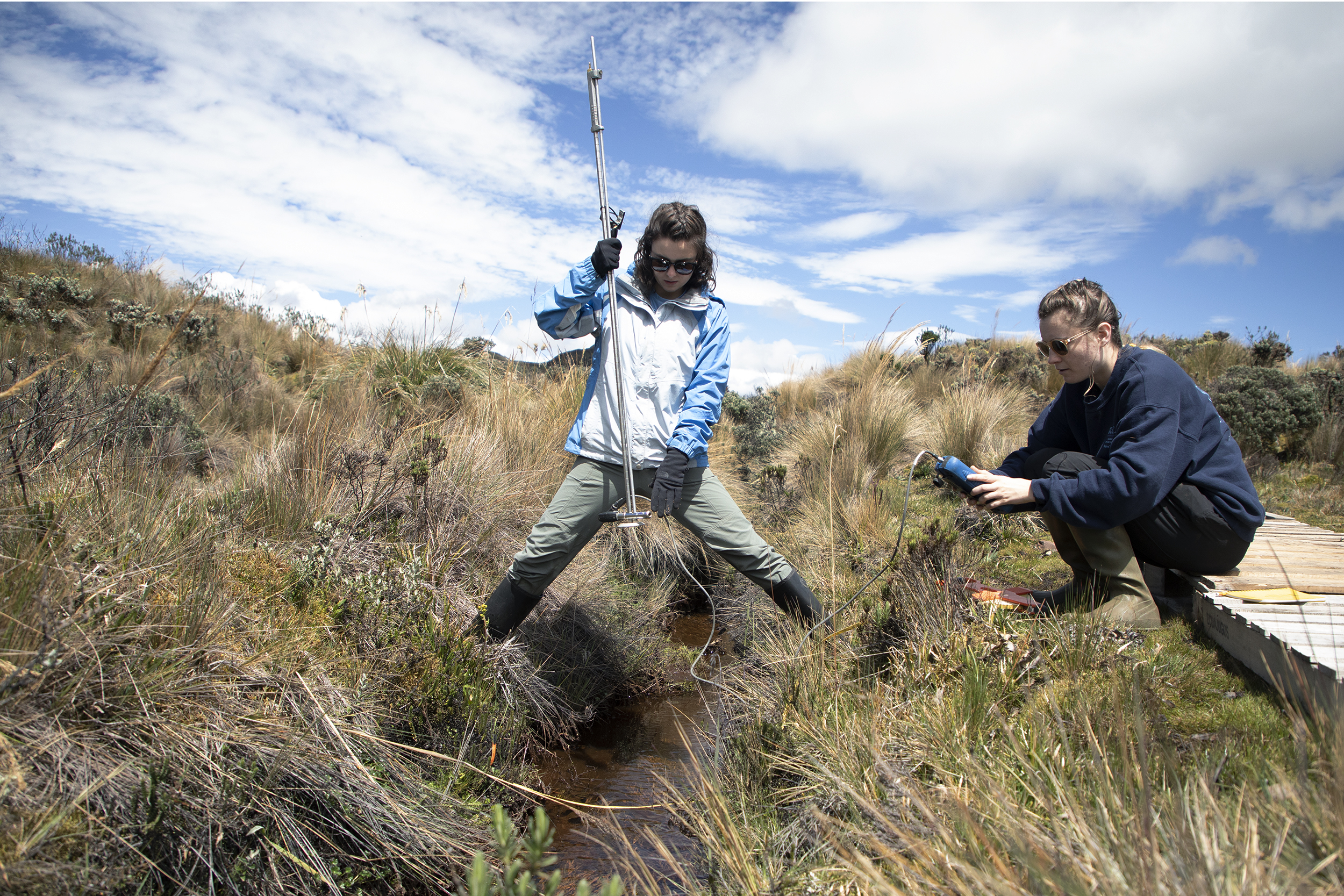
Tessa Davis and Liz Farquhar conduct fieldwork in the North Andean Paramo

This summer, UNC-Chapel Hill research technicians Liz Farquhar and Tessa Davis traveled to the Andes Mountains in Ecuador for a project in the páramo, a beautiful but challenging ecosystem. While the high altitude and unpredictable weather took time to adjust to, they discovered that the resilience they gained during the pandemic aided them in all the obstacles they faced.

Searching for Sheepshead

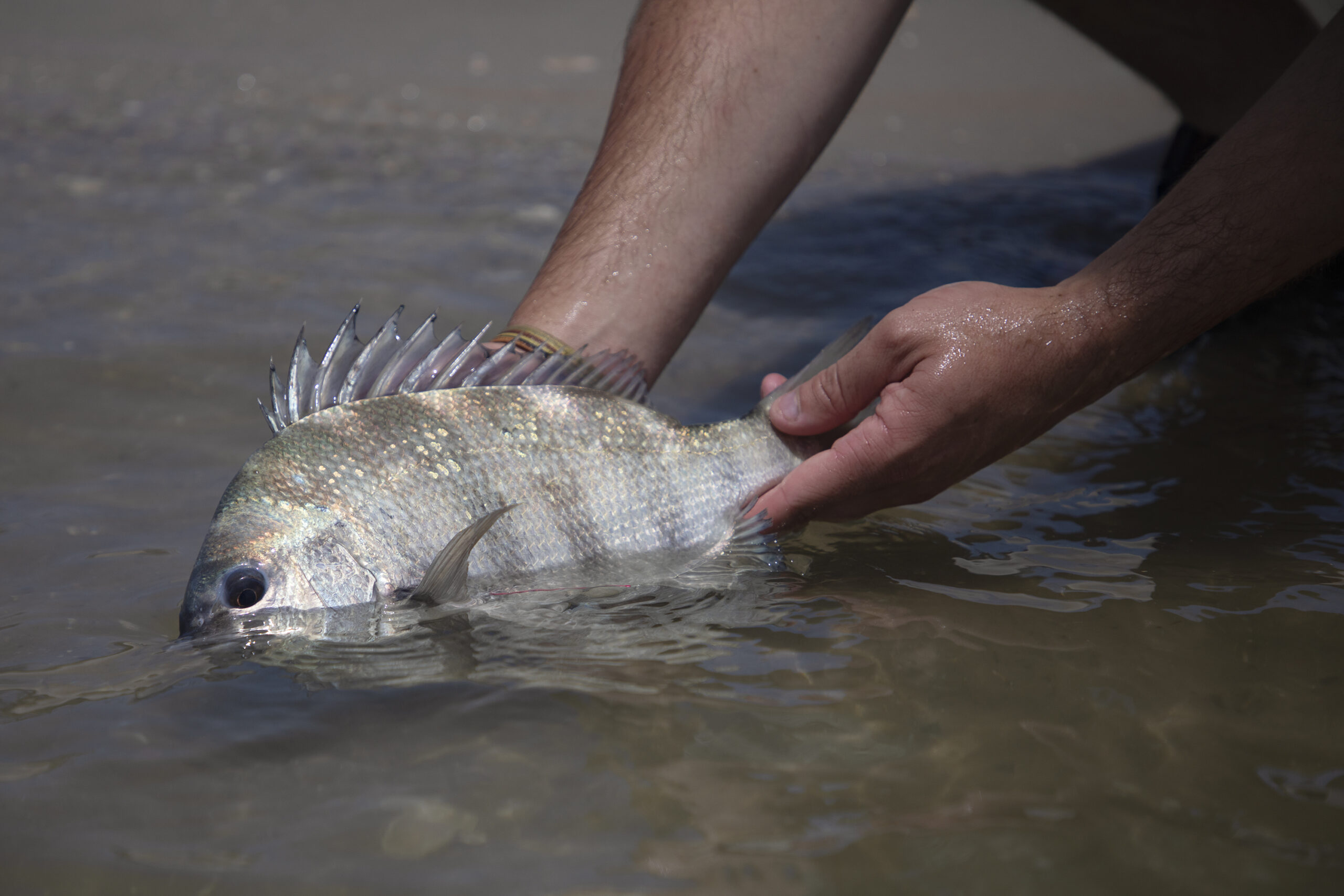
Commercial and recreational fishing are important contributors to the North Carolina economy, but there are still lots of unknowns about many fish species. UNC–Chapel Hill PhD student Lewis Naisbett-Jones is trying to unravel some of that mystery by tracking the migration of one popular species in the fishing community: sheepshead.

It Runs in the Family

Jennifer, Diane, Kay, and Eric Youngstrom

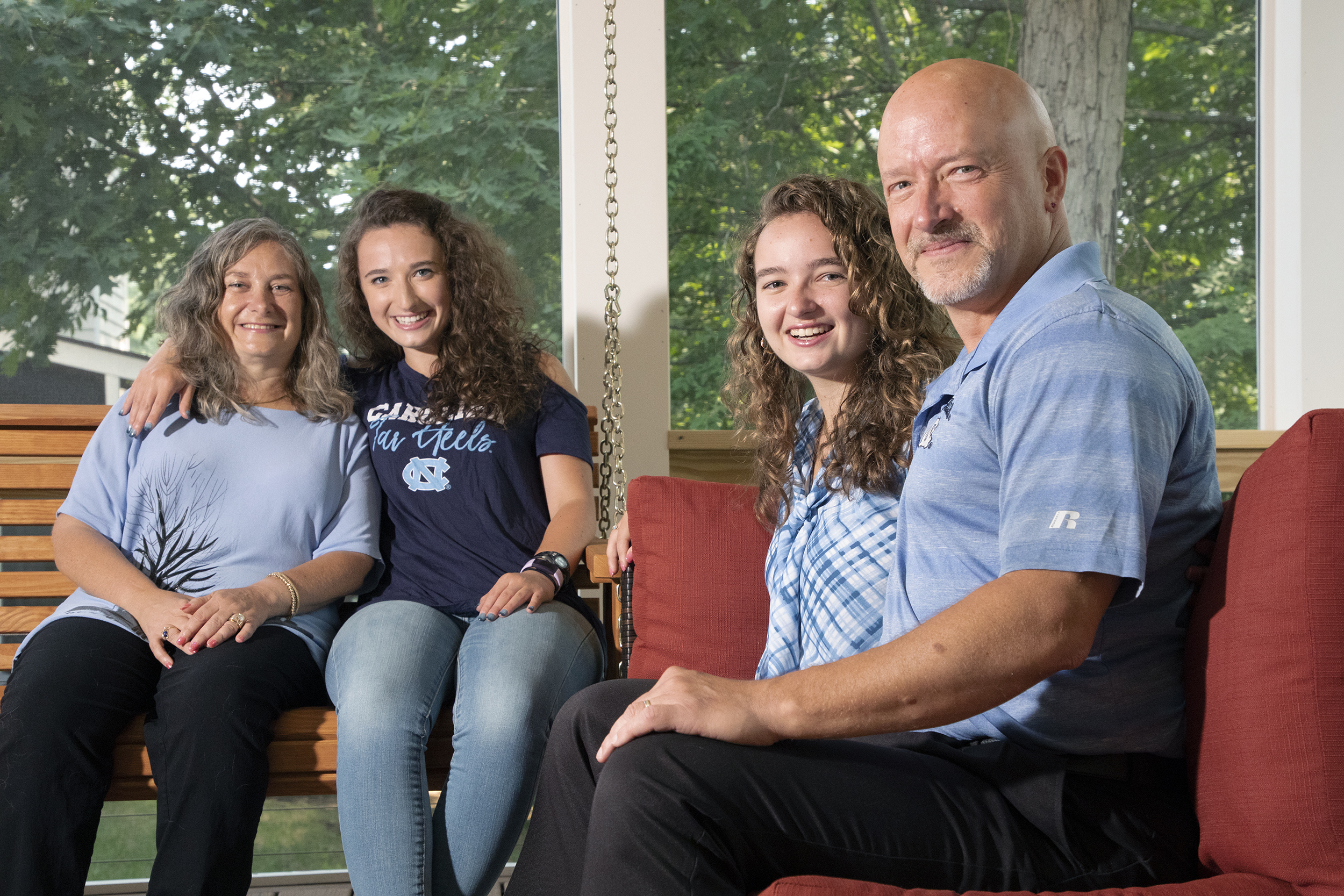
What do you get when a research psychologist marries a clinical psychologist? Two Carolina chemists. UNC-Chapel Hill psychologists Eric and Jen Youngstrom both joined the faculty in 2006. Through their research and global travels, their daughters Diane and Kay have developed a love of science, immense school spirit, and a deep desire to help the world.

Older posts
Newer posts
← Previous Page1 … Page8 Page9 Page10 … Page12 Next →
  • Instagram
  • YouTube
  • Spotify
  • LinkedIn

Contact

Staff Directory

Office of the Vice Chancellor for Research

Office of Research Communications

Stay Informed

See Our Newsletters Check Our Events Calendar
The University of North Carolina at Chapel Hill

Copyright © 2025

STAFF LOGIN