
William Sturkey
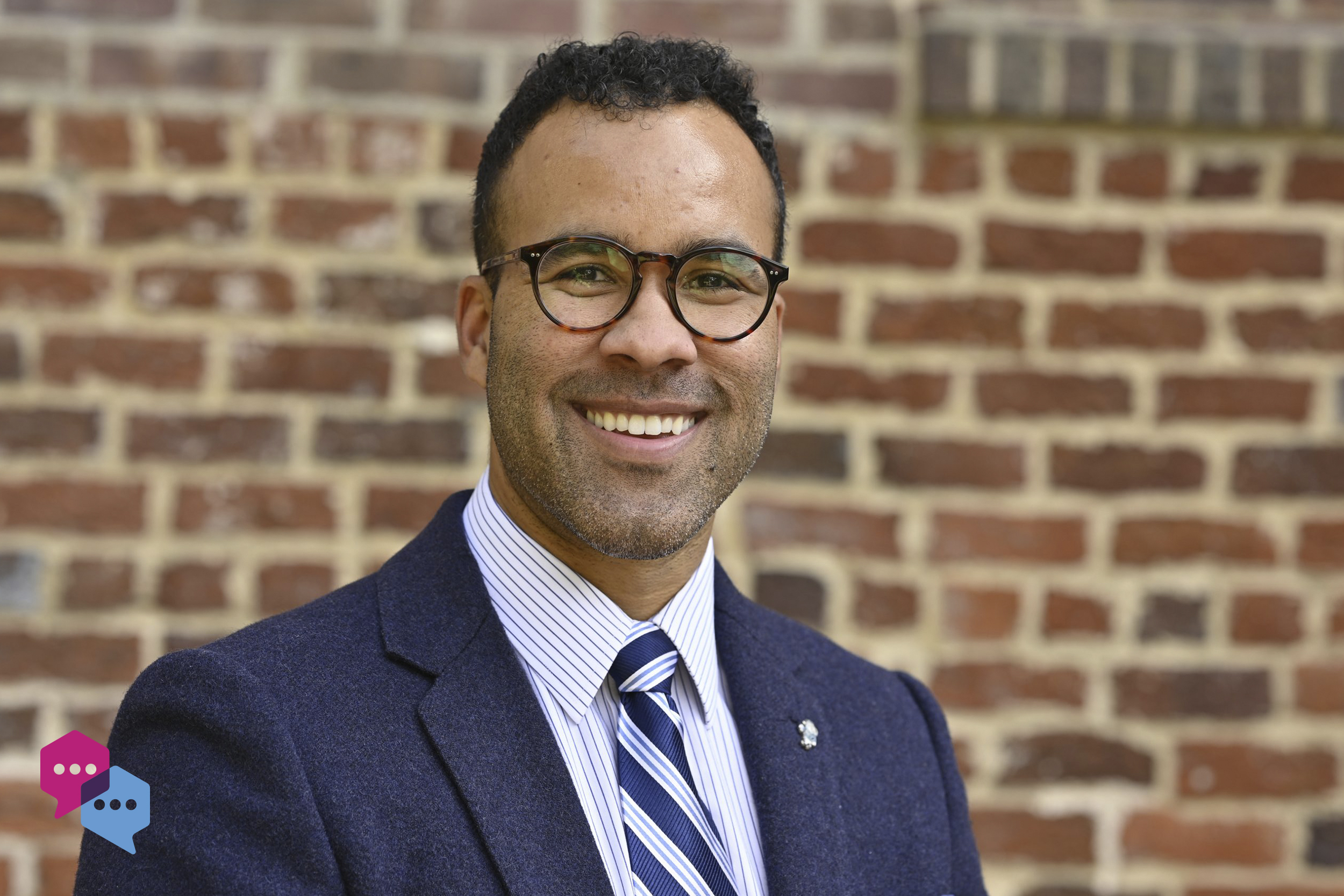
William Sturkey is an associate professor in the Department of History within the UNC College of Arts & Sciences and a recipient of the 2020 Hettleman Award for Artistic and Scholarly Achievement. He studies the history of race in the American South, with a focus on working-class, marginalized peoples. His book “Hattiesburg” is a biracial history of the Jim Crow era in Hattiesburg, Mississippi, which played a central role in the Civil Rights Movement.
By UNC Research
October 9, 2020
Q: When you were a child, what was your response to this question: “What do you want to be when you grow up?”
A: A professional baseball or football player.
Q: Share the pivotal moment in your life that helped you choose your field of study.
A: My childhood was inundated with conflicts related to race, and I gravitated toward history because it helped me better understand the everyday and structural racism I witnessed in our society. I was drawn to the Civil Rights Movement and the courage and faith its brave activists had in America.
This is reflected in my current work through recent events. One of them is when the Silent Sam debacle reignited in 2017. Our leaders did very little to help our community deal with that major crisis, which shifted the responsibility of a public response to faculty and students. I was aghast at the administrative silence in the wake of our students being threatened by outsiders. And so I put away the notion that a third-year assistant professor on research leave shouldn’t speak up, and I tried to step in to fill the void. I spoke at dozens of public venues, gave countless interviews, and published educational op-eds. I also tried to support students who I thought might literally be in danger.
Q: Tell us about a time you encountered a tricky problem. How did you handle it and what did you learn from it?
A: While conducting research for my book, “Hattiesburg,” I found few historical records for local Black families. This is a product of the Jim Crow era, when white archivists did not collect documents and artifacts from Black families. The archive itself was literally segregated.
But Black families left other traces of their lives by publishing their own newspapers and sending community updates to Northern newspapers like the Chicago Defender. I began to search for local Black families in digital newspaper collections and thus began to piece together the stories of communities in Hattiesburg based on census records and the community updates I found in the media. I hope it helps provide a rich, textured look at Black life in the Jim Crow South.
Q: Describe your research in 5 words.
A: The history of the disappeared.
Q: What are your passions outside of research?
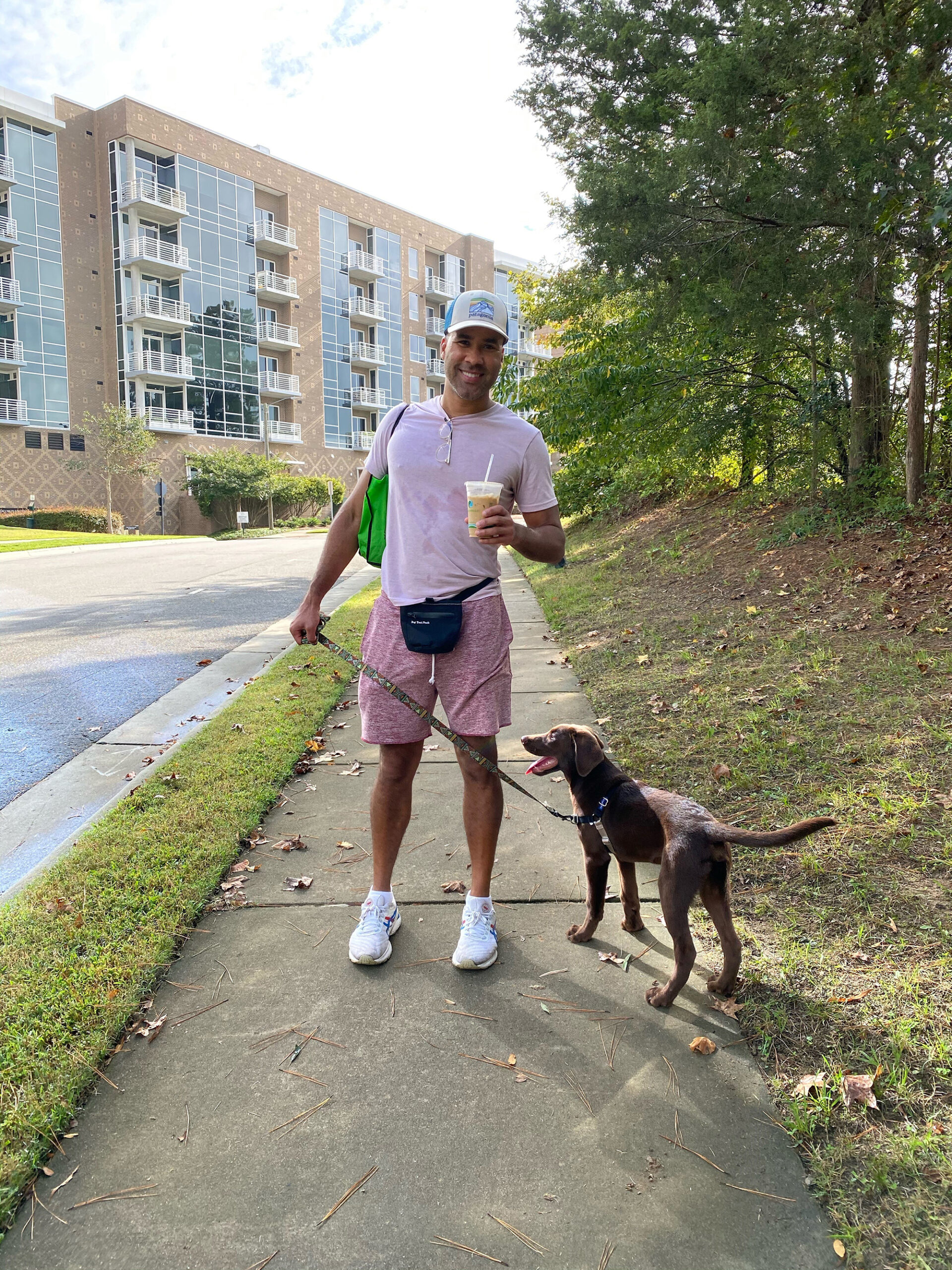
A: I love sports and exercise, especially volleyball and running. They’re great for my mental and physical health and a welcome break from teaching and research.
Research UNCovered delves into the lives of UNC researchers from all disciplines and career levels, showcasing not only their research prowess but personal experiences in academia and beyond. Know someone we should feature? Nominate a researcher.
See Sturkey speak more about her research during the Hettleman Talks and a virtual event called “Telling the Regional Story” during 2020 University Research Week.