Empathy for the Past
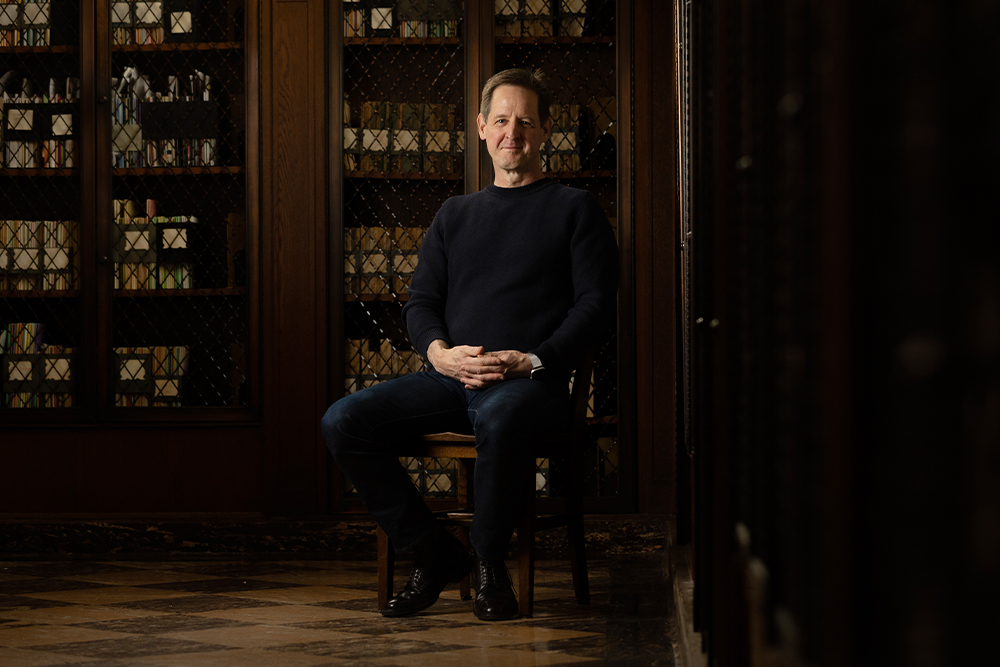
John Wood Sweet writes character-driven narratives filled with vivid descriptions and emotional moments to unpack early America’s complicated history.
John Wood Sweet writes character-driven narratives filled with vivid descriptions and emotional moments to unpack early America’s complicated history.

From student loan debt to rock ‘n’ roll, Carolina faculty discuss recent book projects and the research that went into them.

The Carolina Population Center immerses undergraduate students in population science research through its Summer Undergraduate Intern Program.

The Carolina Biology Education Research Lab makes research more accessible and unpacks career options for undergraduates — a vital service for a department with more than 2,800 majors.

Héctor Aizpurúa, Jr. recounts his journey from remedial English classes to writing his honors thesis on the musical traditions of the displaced people of the Panama Canal.
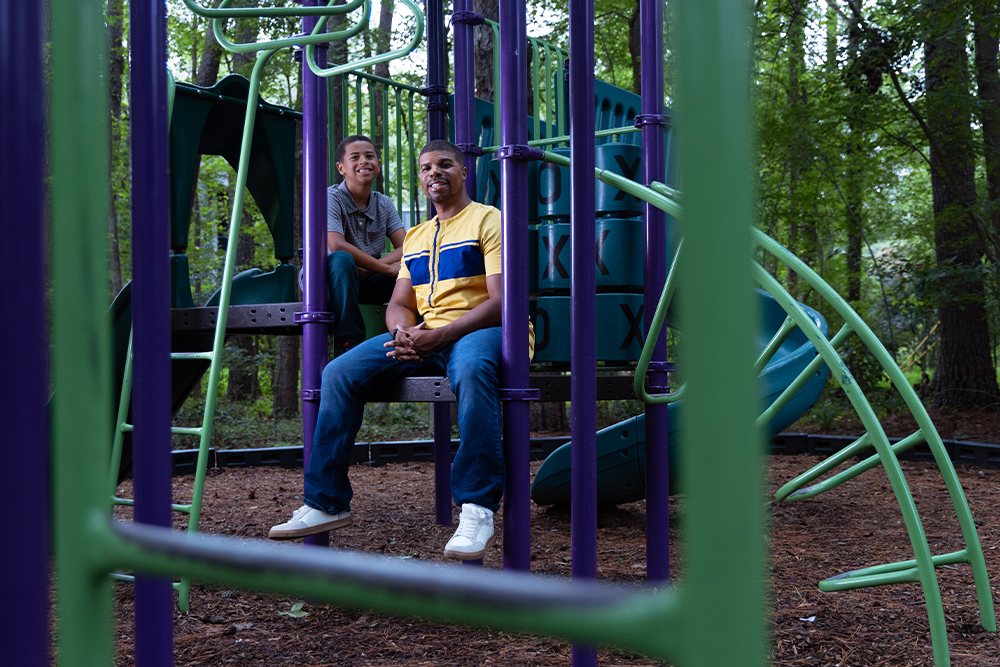
Shauna Cooper has spent over a decade studying Black fathers and their roles in child development.

Dorothy Espelage is a pioneering and prolific researcher in the study of school-based bullying, rapidly growing the field and protecting kids along the way.
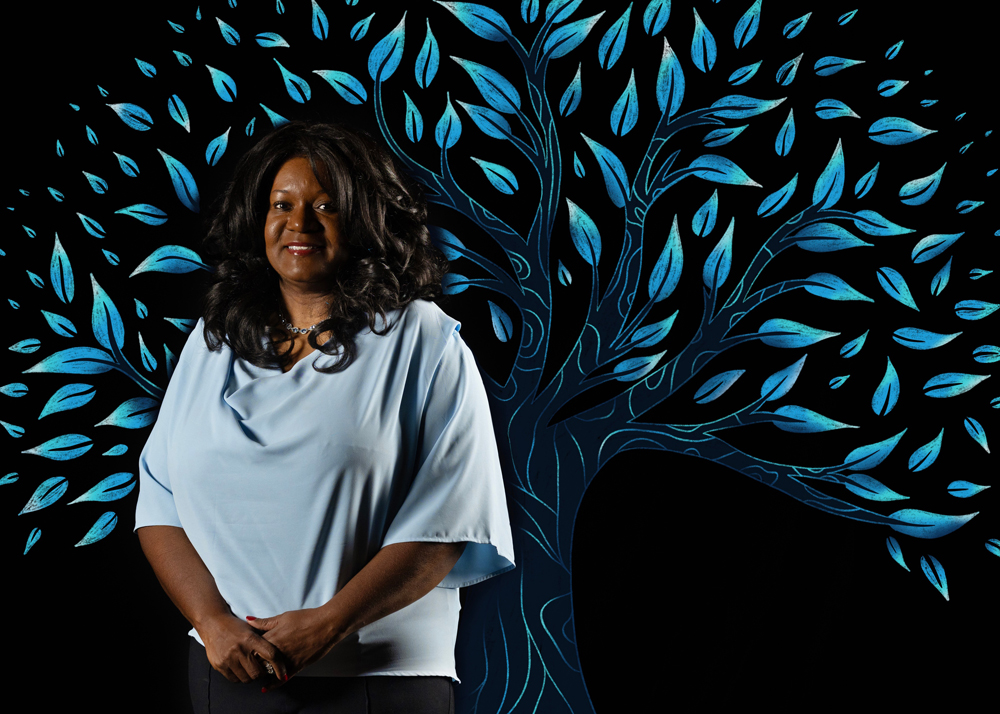
Ramona Denby-Brinson has spent the last 30 years keeping children out of the foster system and in the homes of relatives.

Ric Colacito’s research suggests that, in the worst-case scenario, rising temperatures could reduce U.S. economic growth by up to one-third over the next century.