Harnessing Hydrogen

Carolina chemists have created a technology that can split water into its component parts, opening the door to more options for alternative energy.
Carolina chemists have created a technology that can split water into its component parts, opening the door to more options for alternative energy.
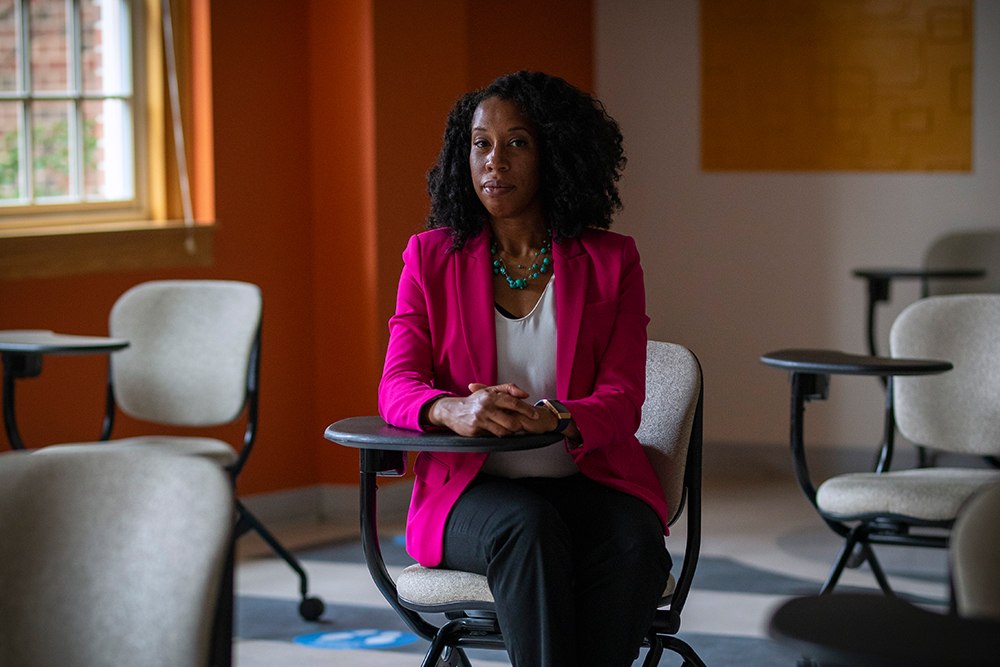
Cassandra R. Davis has dedicated her career to reframing the conversation around disaster relief, advocating for the marginalized groups that struggle to recover.
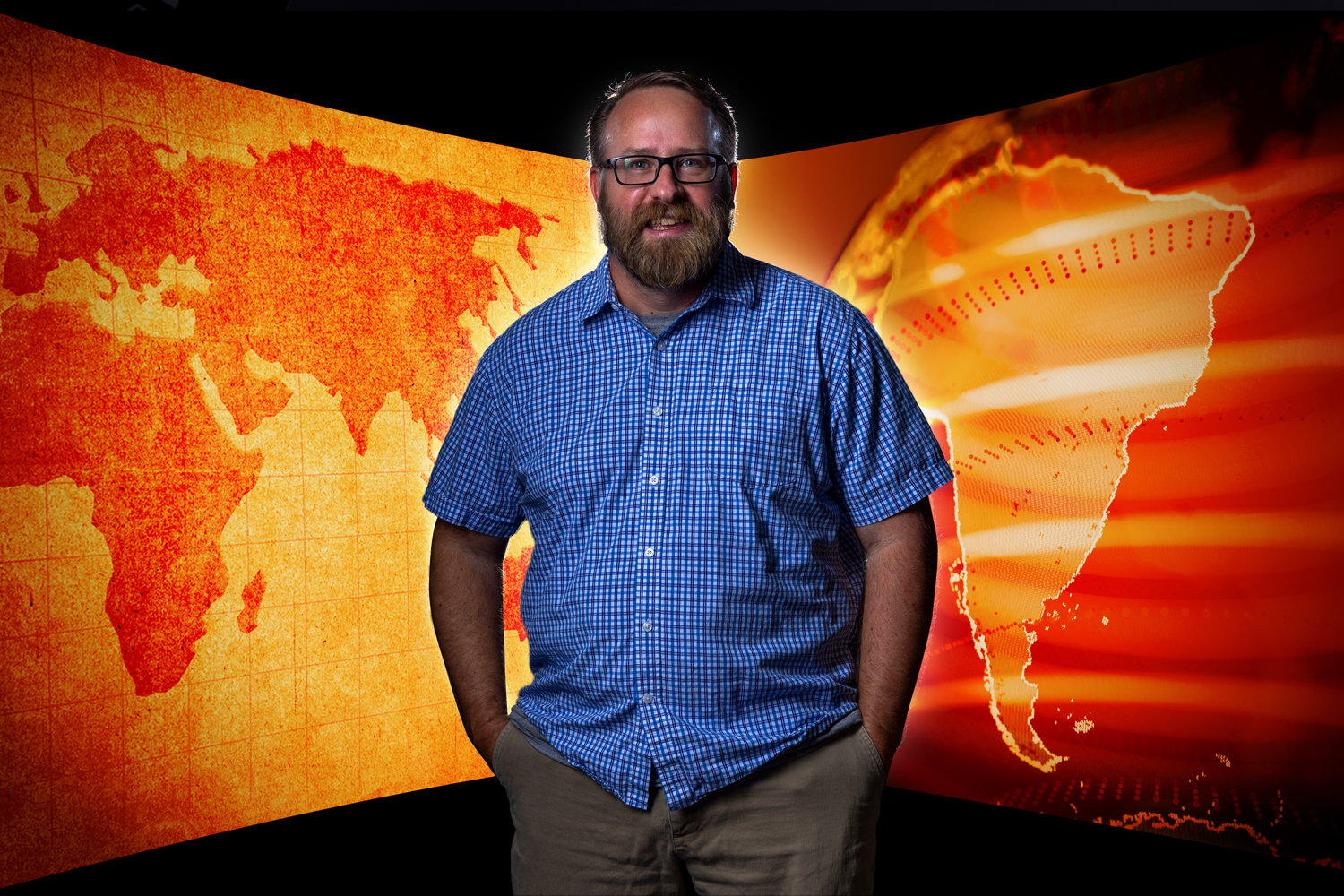
When natural hazards destroy homes and livelihoods, where do people go? Clark Gray searches for them using data.

From India to Flint, Michigan, Siddhartha Roy has seen what happens when water resources are insufficient and is pushing to drastically reduce lead in drinking water by 2040.
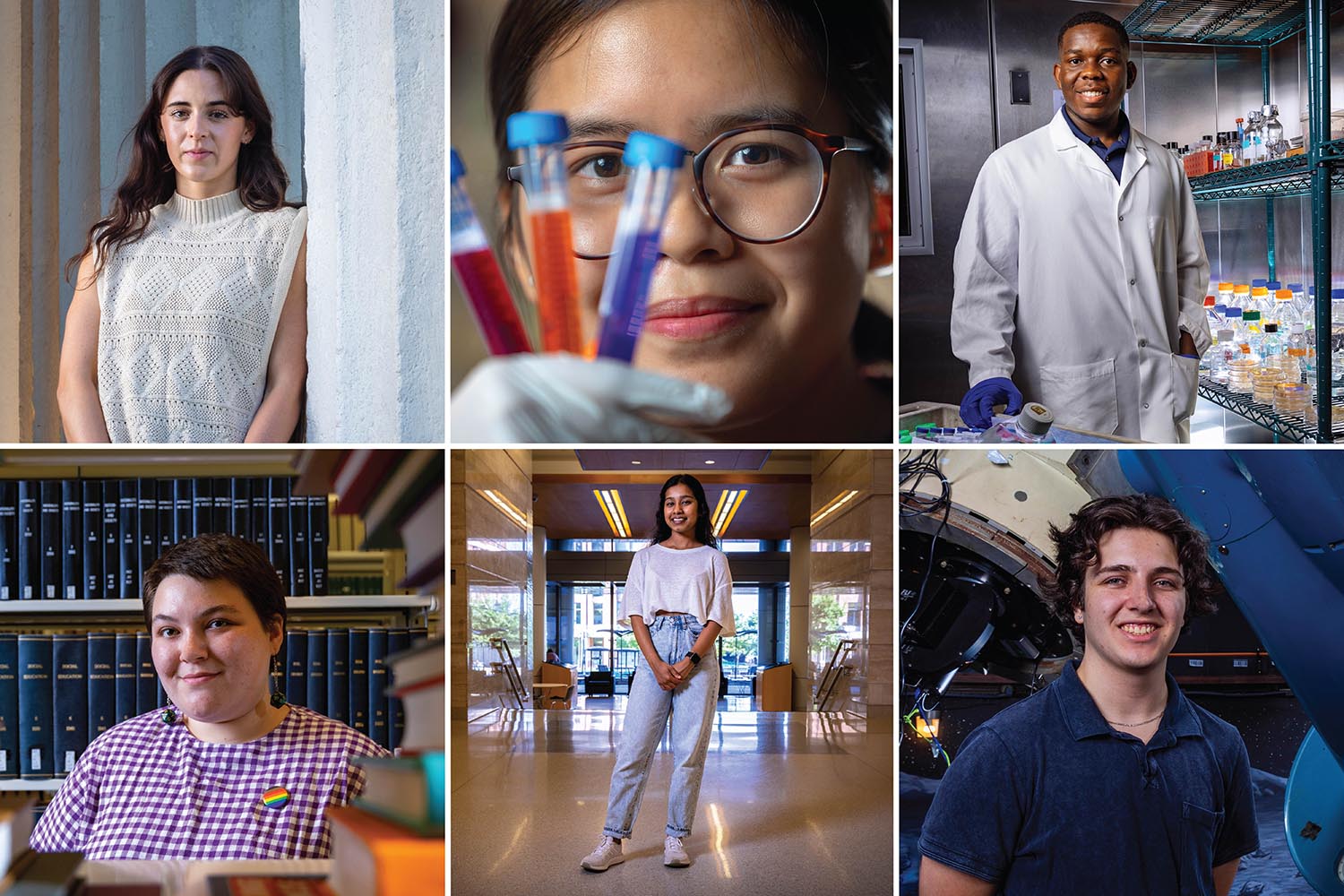
From peanut allergies to the death penalty, Carolina’s Summer Undergraduate Research Fellows (SURFs) are gaining hands-on research experience in the lab and the field.
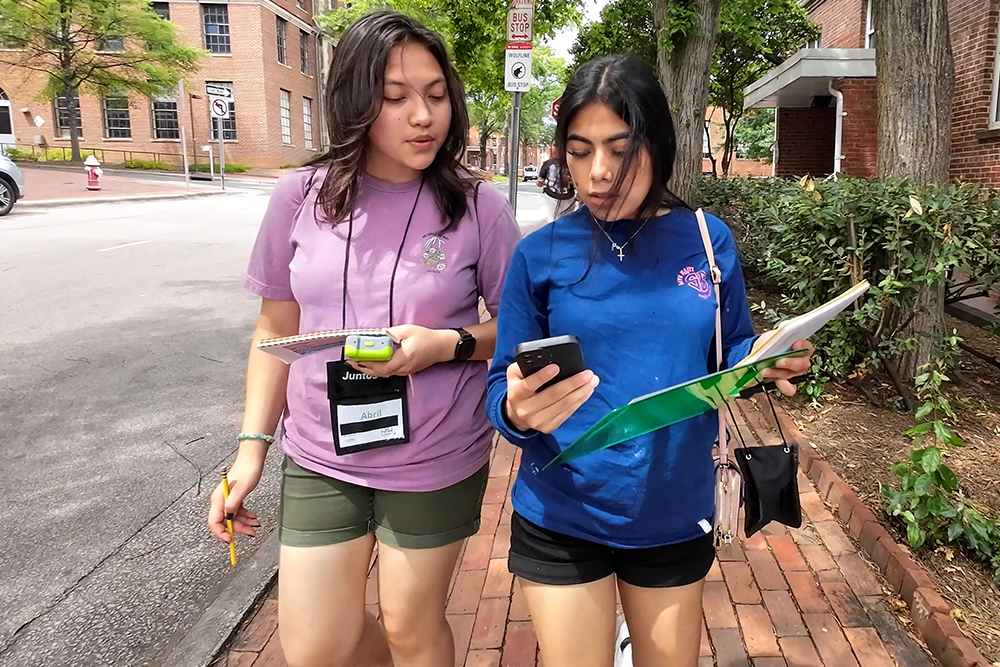
The Center for Public Engagement with Science partners with the Juntos Program to empower Latino youth in educating their communities about climate change.
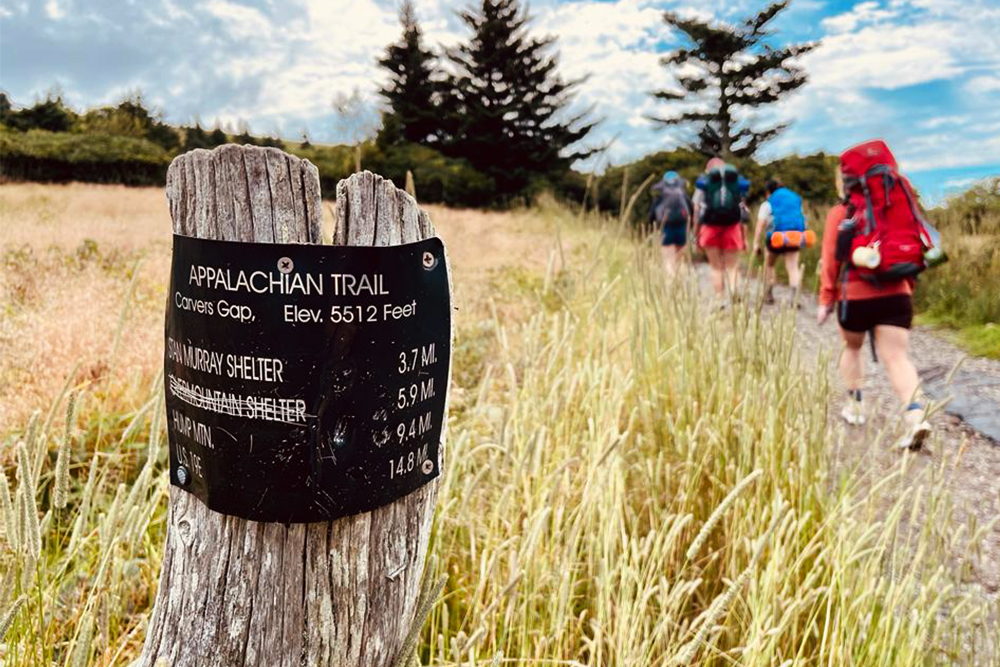
Grace Kinder shares her story of guiding citizen scientists along portions of the Appalachian Trail to connect them with nature and one of its most vital creatures: bats.
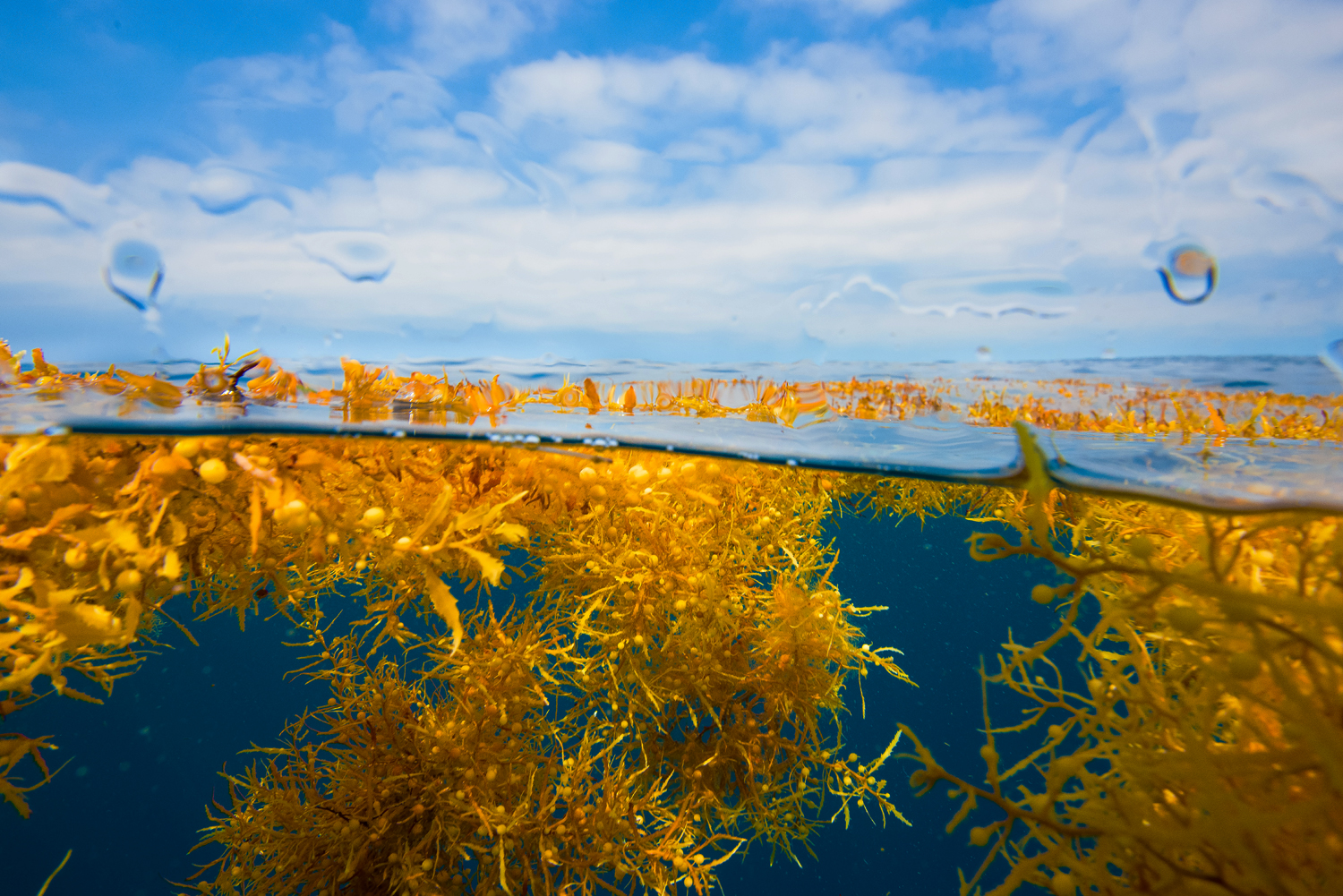
Claire Johnson explains her studies of microbial communities living on seaweed mats in the Atlantic Ocean’s Gulf Stream and how they cycle nitrogen.