Skip to content
UNC Research
  • UNC Research
  • Conduct Research
    • Getting Started
    • The Research Project Lifecycle
          • Find Funding
          • Proposal Development
          • Data Management 🡥
          • Award Management
    • Compliance
          • Environment, Health & Safety 🡥
          • Human Research Ethics
          • Clinical Research Compliance
          • Privacy 🡥
          • Animal Care and Use
          • Conflict of Interest
          • Research Security
          • Export Compliance
          • Report Ethics Concerns
    • Translation and Commercialization
    • Clinical Research 🡥
  • Our Impact
  • Partner with Us
  • Research News
  • About
    • About UNC Research
    • About the Office of the Vice Chancellor for Research
    • Research Roadmap
    • AI Research at Carolina
    • Offices and Centers
          • Support and Compliance Offices:

          • Division of Comparative Medicine
          • IACUC: Office of Animal Care and Use (OACU)
          • IRB: Office of Human Research Ethics
          • Office of Postdoctoral Affairs
          • Office of Research Communications
          • Office of Research Development
          • Office of Research Information Systems (ORIS)
          • Office of Sponsored Programs (OSP) 🡥
          • Research Compliance Services
          • Centers and Institutes:

          • Health
          • Education
          • Business
          • Social/Humanities
          • Technology
          • Environment
          • International
          • Transportation/Infrastructure
          • Research at UNC Schools & the College
          • A-Z Research Units List
          • Core Facilities 🡥

UNCRS Category: Series

Irene Manning

Irene Manning

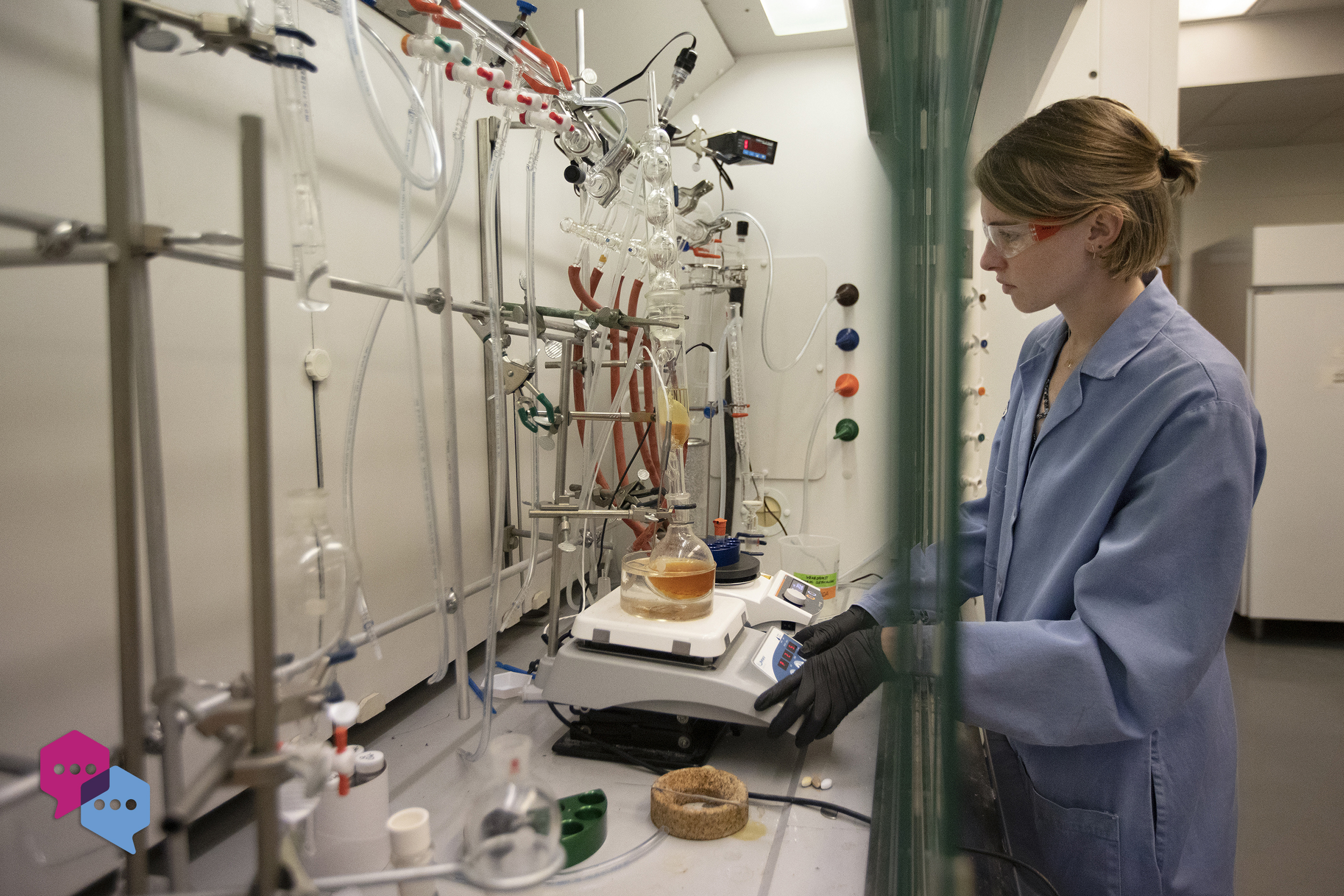
Irene Manning is a PhD candidate in the Department of Chemistry within the UNC College of Arts & Sciences. She develops functional materials that capture PFAS — chemicals created in the production of goods like Teflon, stain-resistant fabrics, and food packaging — and remove them from water.
Anthony Charles

Anthony Charles

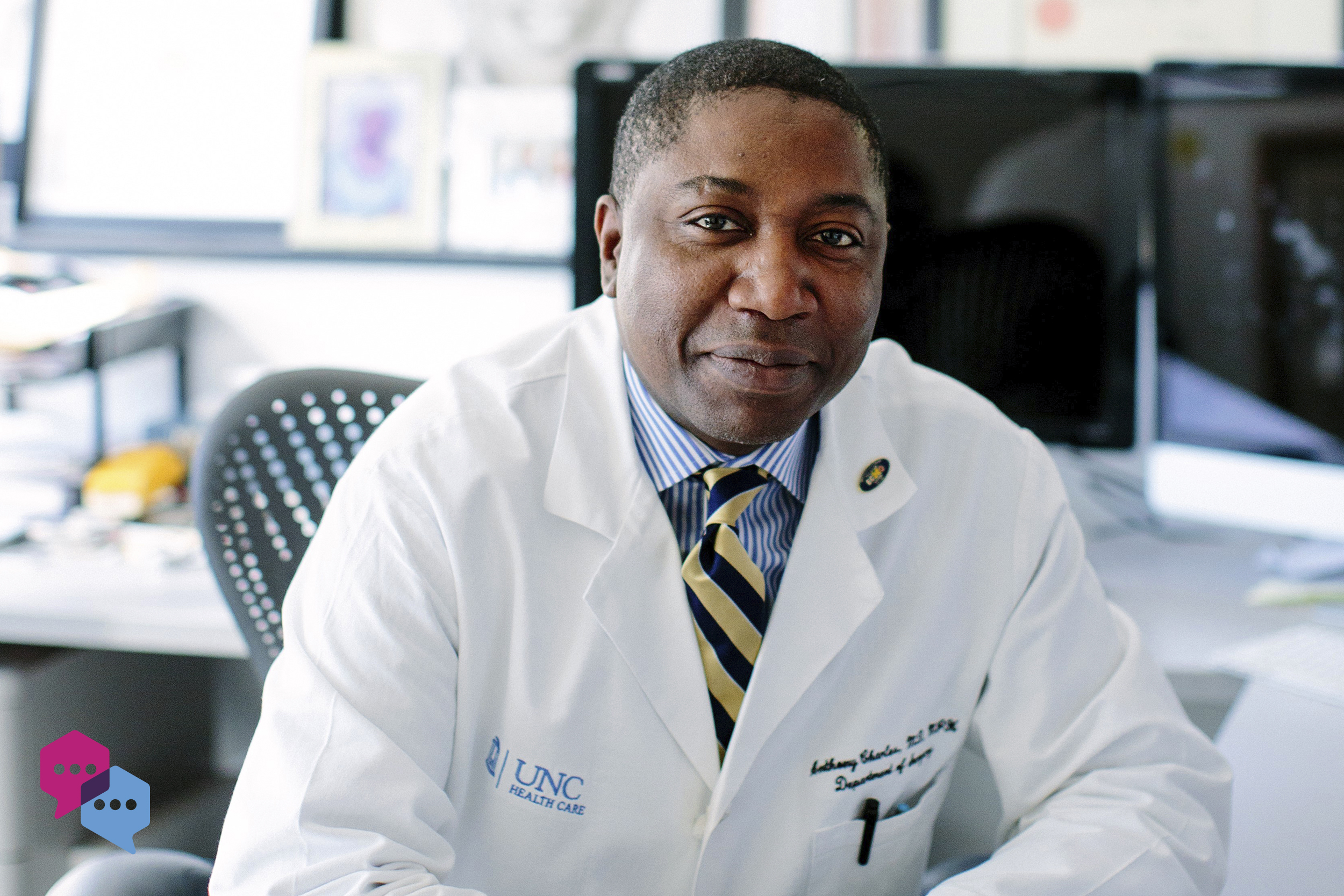
Anthony Charles is the director of global surgery for the Institute for Global Health & Infectious Diseases and the Oliver Rowe Distinguished Professor of Surgery in the UNC School of Medicine. He works to reduce barriers to surgical access and improve surgical quality and outcomes in low- and middle-income countries.

Rachel Woodul

Rachel Woodul

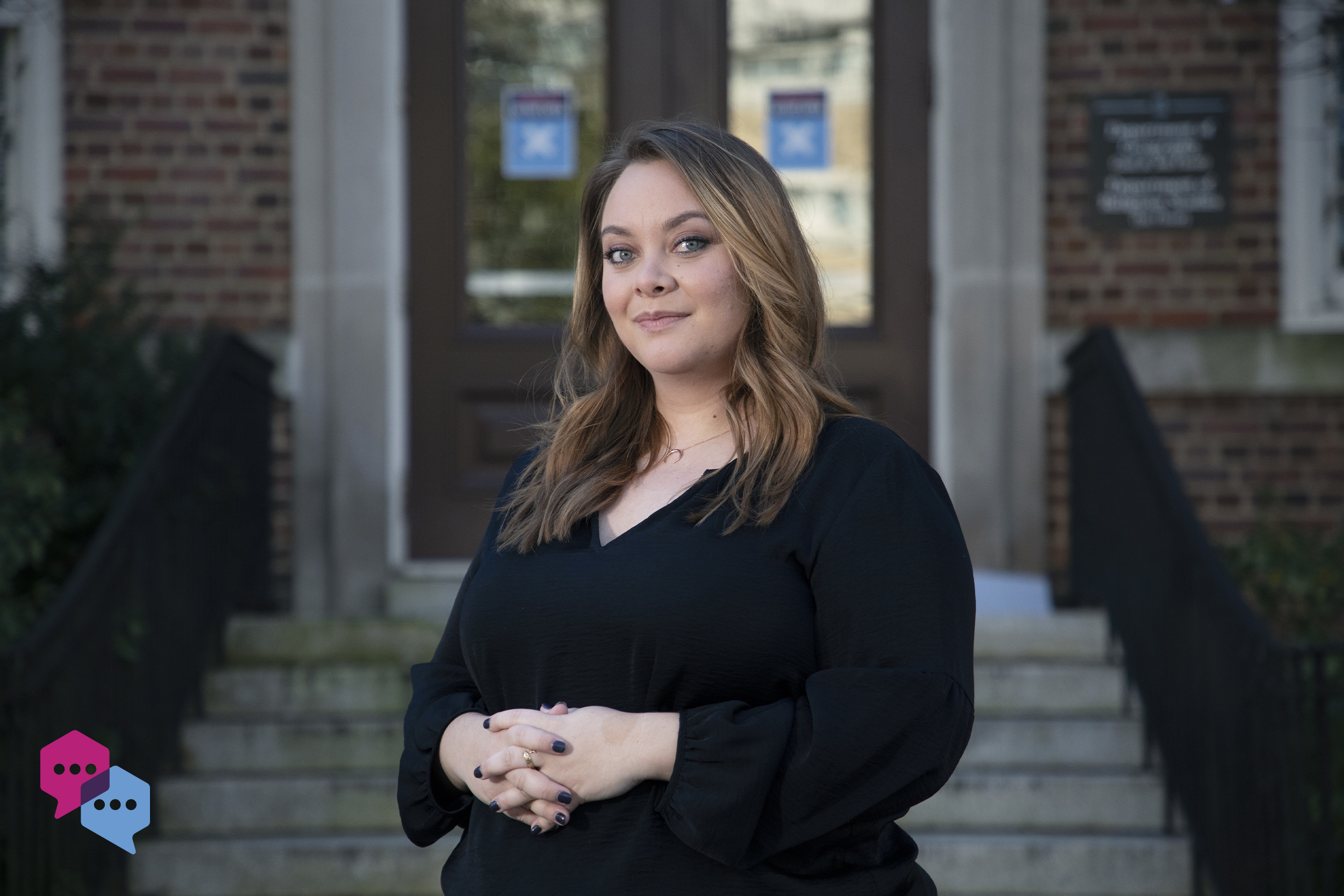
Rachel Woodul is a PhD student in the Department of Geography within the UNC College of Arts & Sciences and a research assistant at the Carolina Population Center. She uses geographic information systems to model infectious disease spread, with a specific focus on epidemics and pandemics.

Geovani Ramírez

Geovani Ramírez

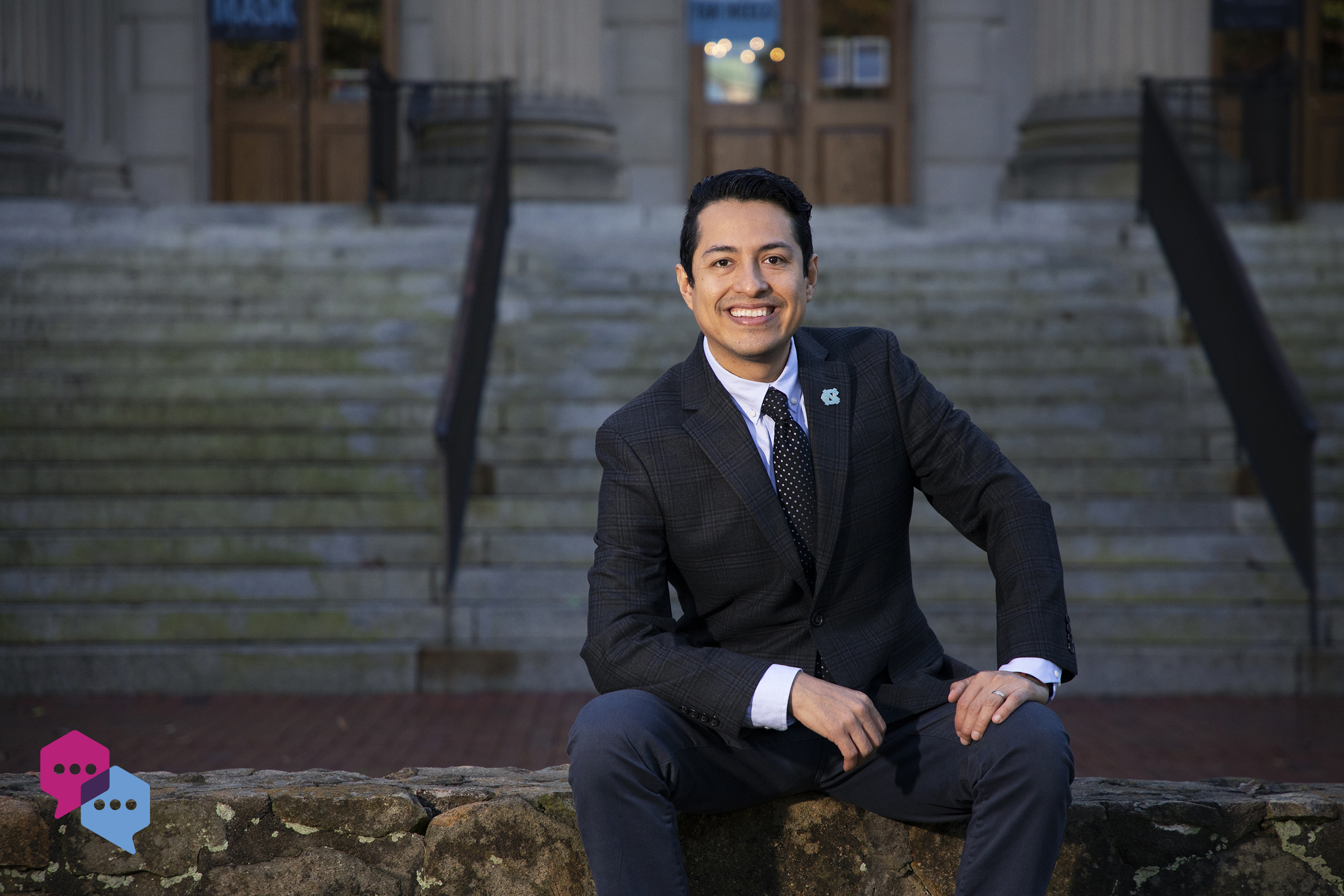
Geovani Ramírez is a postdoctoral fellow in the Department of English and Comparative Literature within the UNC College of Arts & Sciences. He combines Latina/o studies, environmental humanities, and disability studies to better understand the social and ecological networks within Latina/o literature.

Building Resilience for Storm-Battered N.C.

The record-breaking 2020 Atlantic hurricane season included 30 storms, and while North Carolina managed to dodge the 12 hurricanes that made landfall, that won’t always be the case in the future. A team of interdisciplinary researchers at UNC is combining their expertise in areas like human health, ecology, and urban planning to create a long-term holistic plan helping vulnerable communities prepare for the next generation of extreme weather events.

Ashleigh Henry

Ashleigh Henry

Ashleigh Henry is a junior and Chancellor’s Science Scholar majoring in environmental health sciences within the UNC Gillings School of Global Public Health. She studies how body mass index can lead to adverse birth outcomes, such as preterm birth and preeclampsia, and the correlation between consuming water infused with heavy metals and cancer rates.

READDI, Not Reactive

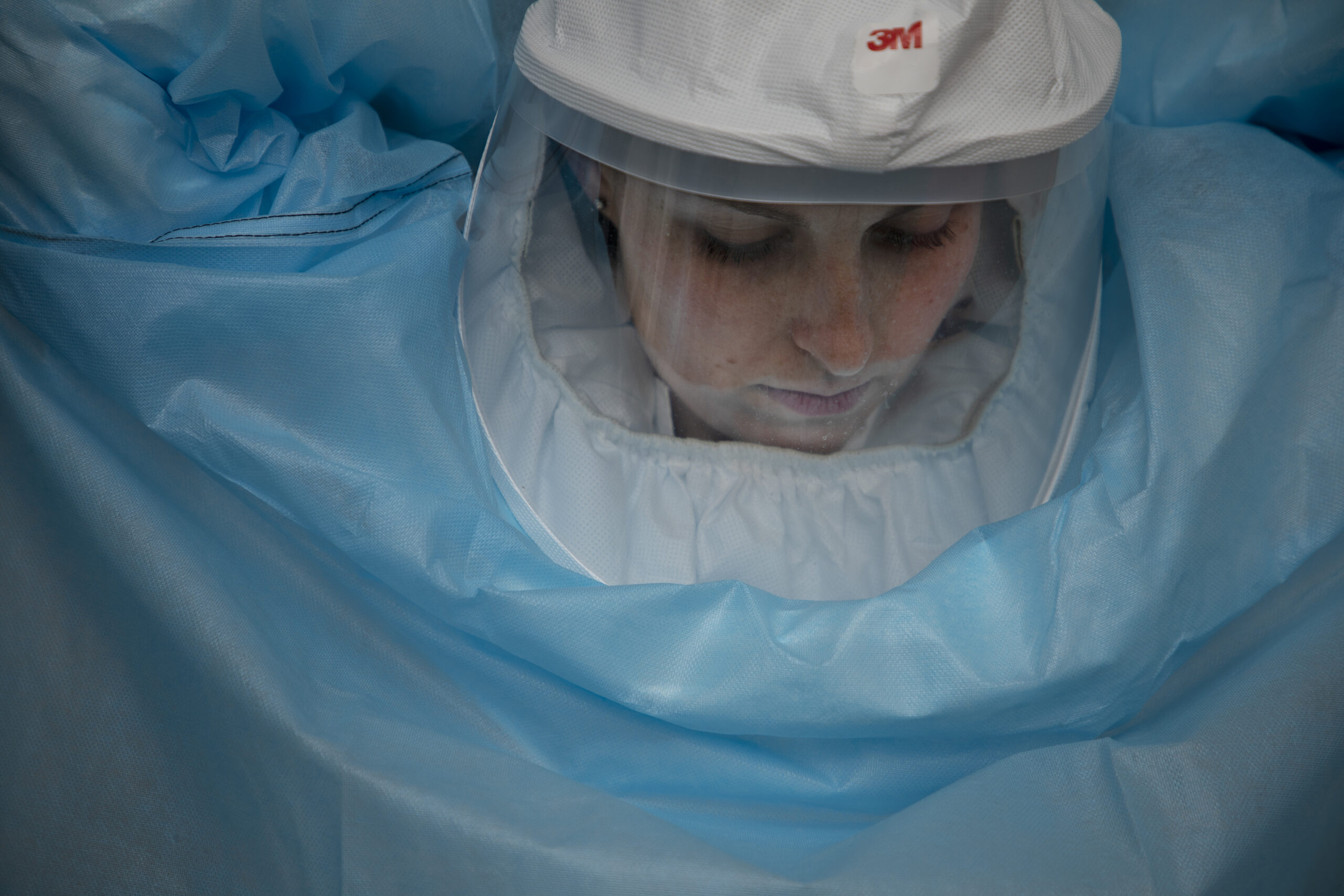
For decades, scientists warned of the potential for a global coronavirus outbreak. But when SARS-CoV-2 emerged, no therapeutics, drugs, or vaccines were readily available. The Rapidly Emerging Antiviral Drug Development Initiative (READDI) — founded by researchers at UNC and the Structural Genomics Consortium — is not only finding solutions to the COVID-19 pandemic, but also drugs and therapeutics for future viral outbreaks.

The Invisible Chase

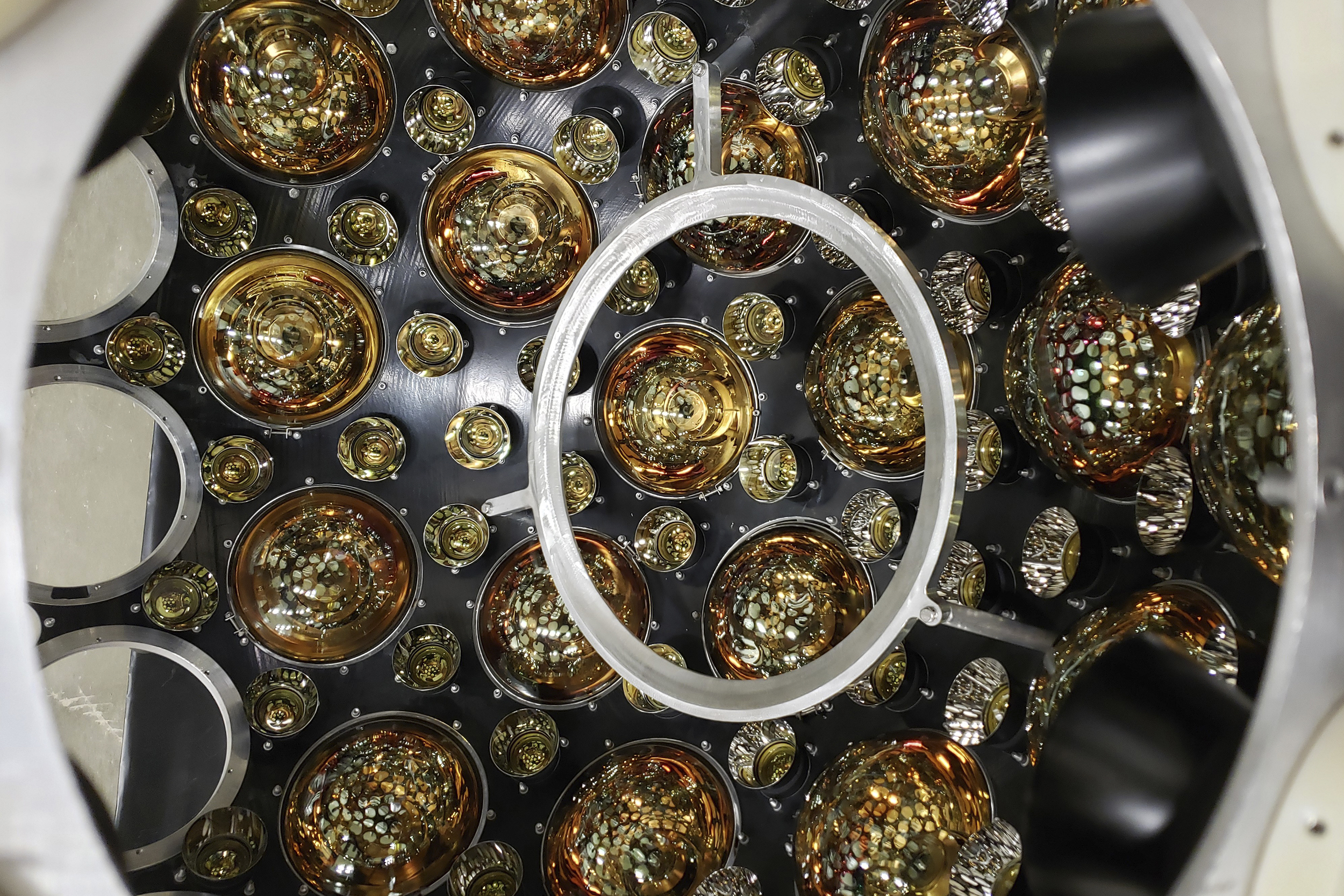
a picture showing the inside of the NuDot experiment

Just over 100 years ago, physicists stumbled upon an elementary particle that could answer questions about the origin of the universe. Elusive and nearly massless, neutrinos may be the solution to understanding everything from the Big Bang to the inner workings of the atomic nucleus — and UNC physicist Julieta Gruszko can’t stop chasing them.

Tiny Molecules, Big Potential

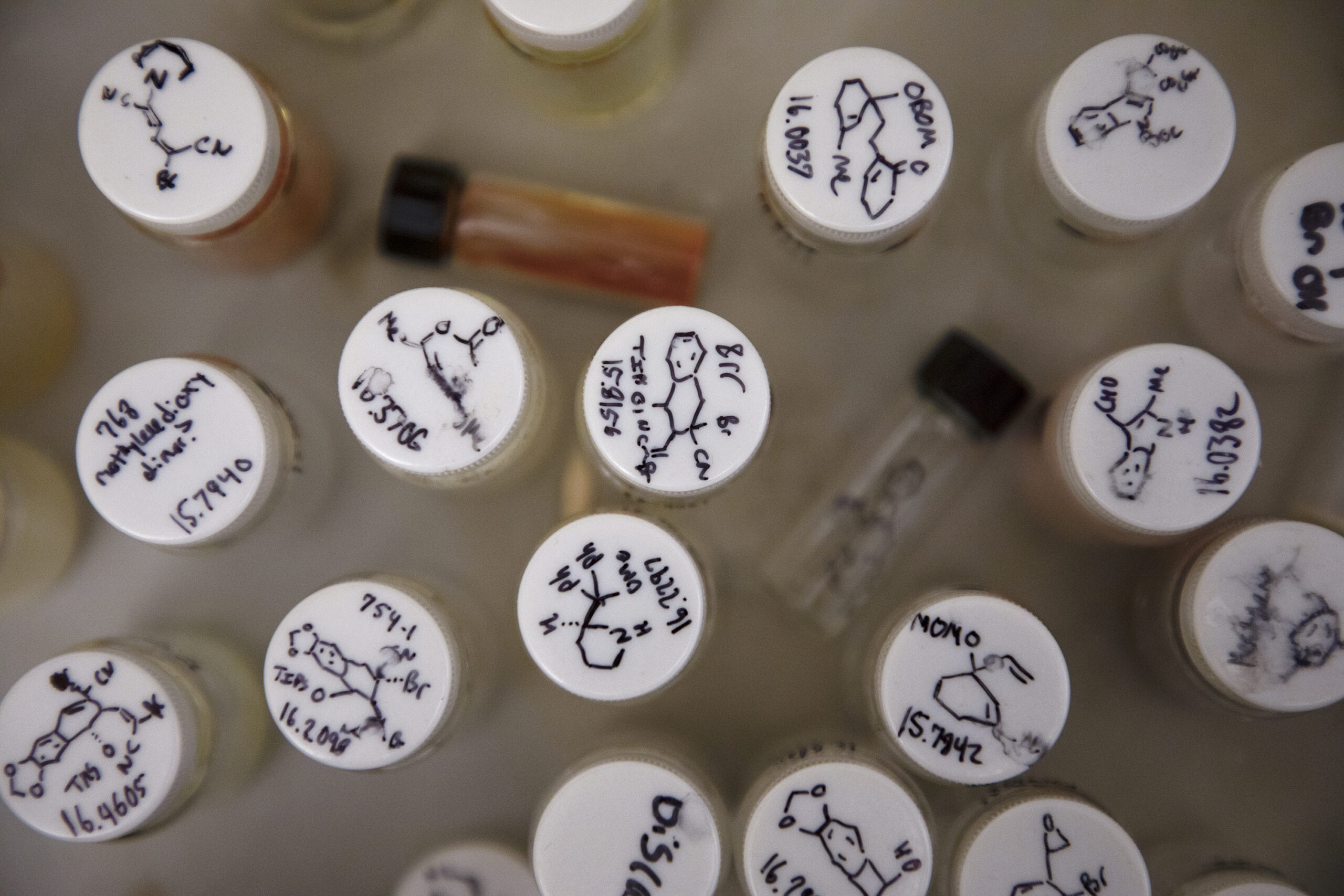
North Carolina native and organic chemist Sidney Wilkerson-Hill is investigating ways to recreate the power of plants in the lab — work that could lead to advances in drug development.

Cooperation Over Competition

a swarm of starlings in the sky

Flocks of birds. Schools of fish. Colonies of ants. Their strength is in numbers as they can fend off larger predators, move faster, and mate more easily. Daphne Klotsa, an applied physicist, studies how these biological swarms function in hopes to improve how humans and automated technologies navigate the world.

Older posts
Newer posts
← Previous Page1 … Page14 Page15 Page16 … Page18 Next →
  • Instagram
  • YouTube
  • Spotify
  • LinkedIn

Contact

Staff Directory

Office of the Vice Chancellor for Research

Office of Research Communications

Stay Informed

See Our Newsletters Check Our Events Calendar
Logo: UNC Research

Copyright © 2026

STAFF LOGIN